
Agricultural Biological Control Agents Market Analysis and In-depth Research Analysis 2019-2025

Agricultural Biological Control Agents Market

Protecting plants and crops from several macrobes and microbes has become a key concern while meeting the rapidly increasing food demand globally. Weed Science Society of America (WSSA) has summarized that the crop losses due to weeds and pests across the globe and the annual potential loss in value for corn and soybean were $27 billion and $16 billion, respectively, for 2018. In the past, cases such as crop pests, bacterial blight, and others have resulted in the crop loss of around 20-40% of the agricultural productivity. Identifying this current demand for crop/plant safety, companies have come up with bio-based crop protection products, which assist in maximizing the quality, productivity, and sustainability in agricultural production systems, disease vector management in public health systems, and other industrial and residential areas.

Read Report Overview of Agricultural Biological Control Agents Market at: https://bisresearch.com/industry-report/agricultural-biological-control-agents-market.html

The increasing adoption of the “green crop protection” concept across the globe is also driving the demand for agricultural biological control products since these are important for managing the increasing concern over pesticide residues on food and the problem of pest resistance. Significant lowering of maximum residue limit (MRLs) by regulators in many countries is a trend that is expected to continue. Additionally, these products are a valuable option because they provide sustainability, crop protection from microbials, and harvest flexibility benefits.

Nowadays, biological control agents are actively used for weed and disease control in the agriculture industry. In this method, natural enemies are collected from their original source of the pest and released in areas where pests require control. The target of the product is to achieve the formation of the natural enemy and maintain long-term control, further helping in plant and crop protection. These products are produced in a huge number in commercial plants and are provided to growers who then apply them with the help of different methods such as seed treatment, soil treatment, and others. These products are used across agriculture, forestry and turf, and ornamental end-use areas. The biological control method is an integral part of integrated pest management techniques. The European Union (EU) focuses on the role of integrated pest management as an important approach to reduce dependency on pesticides uses.

For Sample Report, Click here: https://bisresearch.com/requestsample?id=1036&type=download

The major driving factors for the agricultural biological control agents industry over the years have been the increasing trend of complying with sustainable agriculture globally, low residue levels, and supportive government regulations across countries.

Key companies in the industry are rapidly including biological control products under their portfolio to protect crops which are used to meet the increasing demand for food products. Increasing instances of pest infestation on crops such as wheat, rice, corn, and sugarcane are also supporting the increasing use of biological control products in the agricultural industry.

Smart Nanomaterials Market Quantitative Market Analysis, Current And Future Trends 2019-2029

Smart Nanomaterials Market

The rapid pace of advancements in the field of nanotechnology has led to advances in pharmaceutical industries, where further research is being carried out to enable further growth of more innovative material known as smart nanomaterials for various diseases diagnosis. Smart nanomaterials are promising materials due to their potential and promising range of applications in the medical and electronic fields. The smart nanomaterials are biomimetic with unique properties to be used in self-healing diagnostic and drug delivery. In recent years, smart nanomaterials are expected to be the material of choice to be used in various end-use industries and are expected to play a crucial role in the next-generation pharmaceutical technologies and devices.

Read Report Overview of Smart Nanomaterials Market at: https://bisresearch.com/industry-report/smart-nanomaterials-market.html

Smart nanomaterials also called intelligent or responsive materials and are designed materials with one or more properties which can be changed by external stimuli such as moisture, stress, light, Ph, electric or magnetic fields. Because of their diverse and novel properties, smart nanomaterials have a varied range of potential applications in industries such as healthcare, automotive, electronics, and construction.

Smart nanomaterials can occur naturally, can be produced purposefully through engineering, or be created as the by-products of combustion reactions. Smart nanomaterials have gained prominence in technological advancements owing to their unique physical, chemical, and biological properties including altered magnetic properties, increased structural integrity, and altered optical or electrical activity. Owing to varied properties, smart nanomaterials span across various industries. Smart nanomaterials are revolutionizing several manufacturing sectors including medicine, energy, electronics, transportation, environment, and defense. Nanomaterials for example, carbon nanotubes are being used in 3D printers.

The smart nanomaterial is biomimetic with distinctive properties to be utilized in drug delivery and self-healing diagnostic. Nearly all of the research on smart nanomaterial in the pharmaceutical sector is restricted to lab scale. However, research on an industrial scale is being carried out by several companies or in collaboration. Apart from industry players, several big players from other industries are eager to invest in the technology to achieve profit potential over the coming years.

Obtain the Sample Report of Smart Nanomaterials Market at: https://bisresearch.com/requestsample?id=848&type=download

Growing population with increasing awareness regarding health issues has led to increases in the use of smart nanomaterials in the healthcare sector. Smart nanomaterials are mainly used in the healthcare industry for disease diagnosis, screening technologies, body implants, medical devices, and dental filling materials among others. The increasing demand and application of smart nanomaterials in the healthcare industry is constantly increasing, especially in nanomedicine. In addition, increasing demand for reduced exhaust engines and improved fuel efficiency, automotive manufacturers have increased the usage of carbon nanotubes and nanofibers for the manufacture of the lightweight engine and their components. The nanoscale products in the automotive industry includes thermoelectric materials for temperature controls, high-power rechargeable battery systems, thin-film smart solar panels, tires with lower rolling resistance, and fuel additives for cleaner exhaust and extended range.

Military Unmanned Aircraft Systems Market Top Companies, Regional Outlook Up To 2024

Military Unmanned Aircraft Systems Market

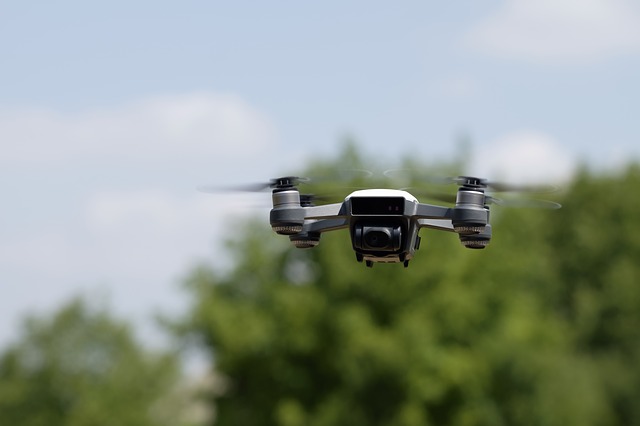
Unmanned Aircraft Systems (UAS) primarily include an unmanned aerial vehicle, ground control system, and an operator. Over the years, military forces are extensively procuring these unmanned aircraft systems to enhance their military strength. Military forces use Unmanned Aerial Vehicles (UAVs) for battlefield intelligence, surveillance, reconnaissance, combat operations, search & rescue, and transportation, among others. The global military unmanned aircraft systems market is expected to witness a significant growth over the forecast period, 2019-2024.

Read Report Overview at: https://bisresearch.com/industry-report/military-unmanned-aircraft-systems-market.html

The growing political tensions in the global arena has resulted in the development of new technologies to enhance the current inventory by military forces. Unmanned aerial systems is one of the major verticals in the military that is experiencing a significant growth. Unmanned Aircraft Systems (UAS) have rapidly become one of the primary military weapons for crucial lethal and non-lethal operations. UAS largely comprise unmanned aerial vehicle, the ground control station, and an operator. The UAV operator controls the UAV using a radio, cellular or satellite link from a remote location. GCS can be mobile, vehicle mounted, or stationary based on the application.

Unmanned Aerial Vehicles (UAVs) are used for combat operations, remote sensing, battle damage management, and search and rescue, among others. The U.S., China, India, and Turkey, among others, are significantly developing UAS technology to enhance their warfare capabilities as UAVs provide better efficiency, long endurance, remote operations without endangering human life, and precision targeting, among others. The various applications of UAVs in the defense industry such as gathering intelligence, surveillance of hostile environments, and reconnaissance have made them a huge asset in the battlefield. Various companies are continuously researching and developing next-generation UAV technology to make them more efficient, reliable, and autonomous for military applications.

Recent developments in defense industry and the preference of various military forces to use UAVs in battlefield is contributing in the growth of military unmanned aircraft systems market. However, technological limitations such as limited battery power restraining the UAVs to complete operations that demand longer flight endurance.

For Sample Report, Click here: https://bisresearch.com/requestsample?id=844&type=download

UAVs are being used globally by the military forces across the world. UAVs have become pivotal forms of arsenal in all military forces due to their enhanced capabilities. It is being observed that military budgets for UAVs is growing due to advancement in UAV technologies. The various applications of UAVs in the defense industry like gathering intelligence, surveillance of hostile environments, and reconnaissance have made them a huge asset in the battlefield. Various countries are continuously researching and developing UAVs to make them more efficient, reliable, and autonomous for military applications. Hence, the R&D budget for UAV programs of top countries is increasing significantly. The need to attain a global dominance is one of the driving forces for the countries which in turn is increasing the defense budgets resulting in the growth military UAV market.

Strategic Assessment of Aerospace Aftermarket Outlook and Competitive Landscape Report 2020-2030

Strategic Assessment of Aerospace Aftermarket

The global aerospace aftermarket industry is one of the most competitive industries, with the leading players actively competing against each other to gain a greater share in the industry. The competitive landscape of the aerospace aftermarket industry exhibits an inclination toward emerging strategies and developments by market players.

Report Overview of Strategic Assessment of Aerospace Aftermarket can be obtained at: https://bisresearch.com/industry-report/strategic-assessment-aerospace-aftermarket.html

The prominent players in the aerospace aftermarket adopted strategies of facility expansion, service launches, contracts, and partnerships, and collaborations to expand their businesses. The companies are also involved in some of the other developments that include acquisition, certifications from the government to set up their facilities or introduction of new services, and investment to develop advanced systems for aircraft. Due to the intensive competition, the aerospace aftermarket requires MROs and OEMs to constantly provide cost-effective service solutions with the existing and forthcoming industry standards pertaining to the commercial and military industry.

The increase in the defense budget by various countries, including the U.S., India, Russia, China, Saudi Arabia, South Korea, and South Africa, for modernizing their defense systems by procuring defense-related products and services is playing a major role in strengthening the market growth.

Changing outlines of national security, evolving national interests, and geopolitical issues are some of the factors that motivate various economies to reshape their defense strength with modern aircraft along with regular support of airframe logistics and maintenance. The U.A.E. and Saudi Arabia also have an adequate defense budget and are willing to pay for high-end advanced aircraft with improved maintenance services.

The strategies employed to gain a significant market share in this growing industry have been varying from certification, service or tool launches, partnerships, collaborations, joint ventures, and contracts, facility expansion, and other strategies. This segment provides comprehensive insights regarding development activities that the key players in the industry are adopting to compete directly. To lead the market as well as engage in the process of overall growth, a company needs to introduce new services to the market, improve the existing service network, work in collaboration with the top airlines, MROs or win new contracts, and acquire the relatively small scale companies into its stronghold.

For Sample Report of Strategic Assessment of Aerospace Aftermarket, Click here: https://bisresearch.com/requestsample?id=841&type=download

Based on type, the aerospace aftermarket is classified in four categories, namely, line maintenance, component, engine, and airframe. Engine dominated the market owing to the rise in the initiative by various companies to manufacture advanced engines (using expensive materials and innovative technologies) to limit the need to replace life-limited parts and other scheduled maintenance visits. Further, the increase in service agreements among MRO and airlines to maximize engine performance, and fleet availability also expected to propel the market growth in the future. For instance, in November 2019, Vietnam Airlines entered into a 12-year EngineWise Comprehensive service agreement with Pratt & Whitney. Under this agreement, Pratt & Whitney is expected to provide its GTF engine maintenance for the Vietnam Airline’s fleet of 20 Airbus A321neo aircraft.

Thermal Interface Materials Market for 5G Growth Rate, Value Chain, Opportunities and Forecasts to 2026

Thermal Interface Materials Market for 5G

In today’s world, a device must work at a very high speed while delivering smooth and efficient performance. For achieving this goal, engineers are working toward enhancing the computational power of the devices in more compact sizes, thus generating more heat. Overheating is one of the critical and significant concerns for next-generation electronics components and devices. and is one of the fundamental causes of electronic failure, and for dealing with this issue, companies are developing thermal management solutions. Thermal interface materials are the core for thermal management in electronics devices. With advancement in technology and the introduction of 5G technology, the demand for thermal management materials is expected to rise significantly. The 5G devices are embedded with high-power operating central processing units (CPUs), graphic processing units (GPUs), system on chips (SoCs), and memory units, which are the primary cause of thermal heat radiation in any device.

Read Report Overview at: https://bisresearch.com/industry-report/thermal-interface-materials-market-5g.html

With the advent of 5G technology, a sufficient number of base stations are deployed in any area. These 5G base station units also generate significant demand for thermal management solutions. Radio units, baseband units, servers, and routers are the key locations that require constant monitoring of thermal management and uses thermal interface materials such as phase change materials, thermal pads, and thermal gels between heat sinks and heat radiating radio frequency (RF) and power components. Various unicorn companies of the 5G ecosystem are working on conducting research and development for 5G-enabled antennas to cater to the growing demand for 5G infrastructure across the globe. Some of the key market players are Huawei Technologies Co., Ltd., Samsung Electronics Co., Ltd., Nokia Corporation, and Ericsson. These companies’ dominance differs from region to region, depending on their collaborative contracts with countries’ telecom operators. Some of the active telecom operators successfully achieving 5G infrastructure in the countries are Verizon, Vodafone, China Telecom, China Unicom, LG U+, AT&T, and KDDI.

Governments of various nations are strengthening the push toward developing 5G equipment and infrastructure to lead in the 5G race. Organizations are researching and developing new technologies that can achieve a breakthrough in the 5G industry. The 5G equipment manufacturers ecosystem has many budding players, thriving toward achieving new antenna technologies and products in the market. The Horizon 2020 work program promotes innovation of 5G networks in Europe, China, the U.S., and Taiwan, including cross-border connected and automated mobility while conducting 5G trials across different vertical industries. Asia-Pacific and Japan (APJ) countries also have significant telecom players, such as SK Telecom, China Unicom, SoftBank, LG U+, and Optus. These companies collaborate with 5G equipment manufacturers and suppliers, such as Ericsson, Huawei, and Nokia, to deploy 5G base stations. The MIMO technology accelerates the performance of a 5G infrastructure, enhancing the unit’s overall efficiency. The shift toward 5G technology also affects the business development and simultaneously ramp up the demand for new thermal interface materials with high thermal conductivity, low thermal resistance, and low dielectric constant.

For Sample Report, Click here: https://bisresearch.com/requestsample?id=1083&type=download

5G smartphones are another key demand generating application segment of thermal interface materials. Thermal interface materials are used for various components in a smartphone, delivering the high power consuming 5G device’s smooth functioning. Several companies are developing TIMs for smartphone applications. Some of the key players involved in the market are Laird Technologies, Inc., Henkel Corporation, and Shin-Etsu Chemical Co., Ltd. Some of the manufacturers’ common thermal interface materials are thermal greases, thermal pads, thermal gap fillers, and graphite sheets. Samsung Electronics and Huawei Technologies are the leading players in the 5G smartphone market. Samsung uses carbon fiber TIM and phase change materials along with thermal greases in their latest 5G smartphones. On the other hand, China-based player Huawei Technologies, Inc. is shifting toward the adoption of graphite sheets for 5G smartphone applications.

Smart Irrigation Controllers Market Opportunities and Forecast 2019-2024

Smart Irrigation Controllers Market

Water scarcity is currently considered a significant environmental issue across the globe. Although commercial industry and agriculture industry use majority of the water resources, the residential sector has also become a major end user of the same, and this trend can be witnessed largely in the developed countries. Several studies have showcased that majority of the residential usage of water resources is being used for landscape irrigation. Though irrigation is important for maintaining the plant health, excess watering can lead to a negative impact both on the environment as well as on the economy.

Read Report Overview at: https://bisresearch.com/industry-report/smart-irrigation-controllers-market.html

With a considerable increase in the global population, declining agricultural lands, and depletion of natural resources, the need to enhance farm yield has become critical. Limited availability of natural resources such as fresh water and arable land, along with sluggish rate of yield in several staple crops, have further aggravated the issue. Another concern plaguing the agriculture industry is the shifting structure of agricultural workforce toward the non-agriculture or service industry. As a result of the declining agricultural workforce, adoption of internet connectivity solutions, smart technologies in agricultural practices has increased.

To meet the growing demand of the agricultural produce from the limited farmlands and labor, established agriculture machinery developers and technology vendors are introducing innovative solutions in the agricultural arena. These solutions are focused on helping farmers close the supply-demand gap by ensuring high yields, profitability, and protection of the environment. The approach of using smart technology to ensure optimum application of water to achieve high crop yields and reduce operational costs is called smart irrigation. Smart irrigation controllers are being used in the residential and commercial industry since 2000. Smart irrigation controllers reduce the outdoor water usage by monitoring and controlling the information about the site and then applying the required amount of water. Smart irrigation controllers are a new generation of irrigation controllers which use the weather conditions, current and historic evapotranspiration, soil moisture levels, and other factors to meet the water demand with regard to plants.

Obtain the Sample Report at: https://bisresearch.com/requestsample?id=804&type=download

With the introduction of IoT, the agriculture industry has undergone a revolutionary phase in the coming years. Integration of sensors in traditional irrigation controllers has led to a proper analysis of a large amount of weather and soil data with the help of software to provide landscape owners and growers with information to manage the water demand and the corresponding schedules. Earlier, the use of smart irrigation controllers were limited, but now with rapid advancements in technology, the application of smart irrigation controllers has gradually increased. Additionally, the use of smart irrigation were only prevalent in developed countries, however, developing countries also have realized its importance. In countries such as China and India, large use of smart irrigation controllers have led to the rapid adoption of smart irrigation solutions. The governments of several countries have realized the need and advantages of these technologies, and thus, their initiatives to promote smart irrigation are expected to further drive the growth in the market.

Organosheet and Semi Finished Thermoplastic UD Tape Laminate Market Global Status & Forecast 2020-2030

Organosheet and Semi Finished Thermoplastic UD Tape Laminate Market

Organosheet and semi-finished thermoplastic UD-tape laminates have been considered as alternatives to heavy metals and steel used conventionally to make aerospace and automotive components, because they provide better functionality and efficiency and are lighter in weight. Moreover, with the fitness and health of the athletes in mind, the sports industry has introduced organosheet and semi-finished thermoplastic UD-tape laminates on a large scale for the manufacture of sports bikes, motorcycles, helmets, and tennis rackets, among other things.

Read Report Overview at: https://bisresearch.com/industry-report/global-organosheet-semi-finished-thermoplastic-ud-tape-laminate-market.html

Furthermore, the increasing demand for strong, light, and thermally insulated green buildings in various countries around the world is driving up demand for organosheet and semi-finished thermoplastic UD-tape laminates.

Most of the countries are worried about greenhouse gas emissions, which are harmful to the atmosphere. Since organosheets are completely recyclable, they can be reprocessed and remolded to make new pieces, leaving minimum waste. Even scraps generated from organosheet and semi-finished thermoplastic UD-tape laminates can be heated and molded together to meet the new end-use application requirements. These factors pave the way for growth of industries without compromising on environmental safety.

In the aerospace and defense industry, modern aircraft use a significant amount of organosheet and semi-finished thermoplastic UD-tape laminate in their parts, as weight reduction is a vital requirement in the industry.

For example, aircraft such as the Boeing 787/777 and the Airbus A350XWP, contain approximately 25-30% carbon fiber reinforced semi-finished plastics by weight. Majorly, organosheet and semi-finished thermoplastic UD-tape laminates are used in the form of honeycomb sandwich panels, which provide superior performance-to-weight ratios as well as better pressure resistance at a lower cost than conventional polycarbonate and acrylate-based multiwall panels.

For Sample Report, Click here: https://bisresearch.com/requestsample?id=1101&type=download

Organosheets have an excellent translucency property, which is becoming increasingly important and attractive for many end-user applications such as automotive and building and construction. This is motivated not only by high architectural expectations and design versatility but also by environmental considerations. Translucency also ensures more natural daylighting in buildings rather than artificial lighting. Structures, including stadiums, shopping centers, libraries, office buildings, and factories, benefit from translucent building elements that meet functional and environmental needs without compromising the aesthetic value. To address such an issue, the application of glass is not efficient since they are too heavy and brittle, and difficult to install. Furthermore, when used solely, thermoplastic loses its integrity over time. Engineers are gradually using organosheet and semi-finished thermoplastic UD-tape laminates for a range of end-user applications due to their high efficiency.

Aseptic Food and Beverage Packaging Market Size, Share, Revenue Growth and Demand Forecast To 2025

Aseptic Food and Beverage Packaging Market

The global food and beverage packaging industry is continuously reaching new heights in terms of production and availability of materials across majority of food and beverage products in all major regions. With the gaining popularity of benefits from consuming dairy products, the global population is now often consuming at least a dairy product daily. This has enabled the demand for aseptically packaged food and beverage products which has a longer shelf life as compared to others. Recent trends toward the adoption of healthier and functional daily eating standards are also helping in driving the demand for aseptically packed food and beverages.

Read Report Overview of Aseptic Food and Beverage Packaging Market at: https://bisresearch.com/industry-report/aseptic-food-beverage-packaging-market.html

Aseptic packaging and filling is a method in which both the carton and product undergoes the sterilization process to increase the shelf-life and safely preserve it for future purposes. Food and beverage manufacturers use a specialized process to sterilize both contents and the container separately in a sterile environment to prevent contamination by microorganisms. Food and beverage products packed aseptically attain the idea of the products which can also be used without the requirement of the refrigeration process. This type of packaging helps the food and beverage manufacturers in meeting consumers’ demand for products that are safe and have undergone lesser processing. Aseptic packaging depends on the automated processes rather than the packaging techniques, which in turn reduces the labor costs and increases the efficiency and output of the plant. It is also easy to transport aseptically packaged food and beverages products due to its feature to maintain the freshness of the products for longer periods at room temperature.

Aseptic packaging and processing not only focuses on creating healthier products but also allows these products to use a wider range of packaging, helping food and beverage manufacturers to create more unique designs for their branding. Recent changes in the aseptic package design have also provoked material suppliers to bring out new branding options, including wood, glass, and cardboard, among others, that allow for a wider range of liquid and semi-liquid products being filled.

Aseptic packaging and processing not only focuses on creating healthier products but also allows these products to use a wider range of packaging, helping food and beverage manufacturers to create more unique designs for their branding. Recent changes in the aseptic package design have also provoked material suppliers to bring out new branding options, including wood, glass, and cardboard, among others, that allow for a wider range of liquid and semi-liquid products being filled.

Obtain the Sample Report of Aseptic Food and Beverage Packaging Market at: https://bisresearch.com/requestsample?id=972&type=download

Food and beverage manufacturing companies are also using aseptic packaging to venture into segments such as eggs, sauces, and meal replacement drinks. Aseptic packaging is helpful in reducing the distribution cost of the company and technological advancements in the aseptic processing and packaging equipment are the factors supporting the growth of companies in the industry.

Reproductive Genetics Market Opportunities, Growth and Forecasting for next Upcoming Year Until 2030

Reproductive Genetics Market

With the increasing advanced stage pregnancies in women, there has been an increasing demand for pre-natal genetic screening and testing as a part of reproductive genetics that help to predict the risk of fetal chromosomal abnormalities depending on age. Further, pre-natal testing became the need of the hour owing to the increasing number of cases of various genetic disorders, such as Down syndrome, spina bifida, cleft palate, sickle cell anemia, thalassemia, fragile X syndrome, and Tay–Sachs disease. All of these conditions are the consequences of the mutant genes and an abnormal chromosomal structure.

Read Report Overview at: https://bisresearch.com/industry-report/reproductive-genetics-market.html

Technological advancements in the healthcare industry have always played a crucial role in the overall development of the industry. Among the innumerable advancements witnessed by the industry, reproductive genetics has emerged as one of the most distinctive technologies in curbing concerns related to genetic diseases. The recent advancements in the life science industry, such as sequencing technologies, regenerative medicine, and genomic technologies, supported by breakthroughs in the field of genome sequencing, and molecular research, have opened up new and promising pathways to combat genetic diseases and reduce the overall global economic burden.

The global reproductive genetics market generated $4,402.8 million in 2020. The highest market share of 38.81% among all the regions was held by North America owing to the presence of a large number of genetic testing companies and a high level of awareness for such tests.

Various regulatory bodies across the world claim that the implementation of reproductive genetics tests such as NIPT and the subsequent rise in uptake of pre-natal testing is likely to increase the incidence of abortions. Therefore, professional organizations such as the American College of Obstetricians and Gynecologists (ACOG), International Society for Prenatal Diagnosis (ISPD), U.S. National Society of Genetic Counselors (NSGC), and the Japan Society of Obstetrics and Gynaecology have set up guidelines that limit the use of non-invasive pre-natal testing only to pregnant women at high risk of chromosomal aneuploidies. The women at high risk of fetal chromosomal aneuploidies include women aged 35 years and older, women with a personal or family history of aneuploidies, and those with positive results from conventional screening methods such as ultrasonography and maternal serum tests indicating a high risk of aneuploidies.

Obtain the Sample Report at: https://bisresearch.com/requestsample?id=1112&type=download

According to the ACOG, tests like NIPT should not be considered routine laboratory testing, and instead, should be seen as an informed patient choice post-pre-test counseling. In many countries like India and China, where termination of female fetuses is considered illegal, implementation of pre-natal testing for reproductive genetics has raised a serious ethical concern since these tests are misused to illegally determine the sex of the fetus.

Wearable Robotic Exoskeleton Market Growth and Trends to 2021-2031 With Top Companies

Wearable Robotic Exoskeleton Market

The technological development in various peripheral components like electronics, optronics, and the development of new materials having extremely low weight and high tensile strength is supporting the development and acceptance of exoskeletons on a commercial level. Investments by major government bodies toward research, development, and integration of exoskeletons in their military capabilities are generating business opportunities for globe defense players like Thales Group and Lockheed Martin, whereas rising interest of various insurance companies across the globe to provide exoskeletons for physically challenged individuals is generating market opportunities for the companies like ReWalk and German Bionics who cater to the commercial market.

Read Report Overview: https://bisresearch.com/industry-report/wearable-robotic-exoskeleton-market.html

Rising geriatric population across the globe that faces difficulties in performing day to day activities and shortage of labor forces in the industrial segment have allowed various auto manufacturers to explore the opportunities of integrating robotic wearable exoskeletons with their existing work force to increase their operation efficiency, reduce fatigue, and elevate work safety environment. Few of the major auto manufacturing companies in Asia-Pacific like Honda Motor Co., Hyundai Motors, and MHI have started investing in design and development of exoskeletons and planned to launch their products between 2022 and 2025, thereby boosting the opportunities of industrial exoskeletons over the forecast period.

One of the biggest challenges faced by wearable robotic exoskeletons is the high initial investment and production cost. The average cost of an exoskeleton per unit will be around $70,000, which is significantly high as compared to other commercial robots. The reason for such a high production cost is because the technology is still in the research and development phase and industry players cannot leverage the benefits of economies of scale during production as there are custom requirements for every individual. Various industry players are exploring the options of additive manufacturing like 3D printing or laser sintering to reduce the manufacturing cost, whereas are some industry participants are working on design modifications to ensure universal designs across various models of exoskeletons.

For Sample Report, Click here: https://bisresearch.com/requestsample?id=1096&type=download

Robotics technologies are expected to be dominant in the coming years and expected to influence every aspect of workplace, home, industries, hospitals, and defense forces, among others. Significant developments are evident in the emerging robotics fields, including autonomous vehicles, Artificial intelligence (AI), robotic exoskeletons, drones, humanoid robots, and virtual reality (VR), among others. Robotics technologies have significant potential to greatly aid the betterment of social, political, and economic aspects of a nation while raising the overall efficiency of work practices with adequate safety levels.

Design a site like this with WordPress.com
Get started