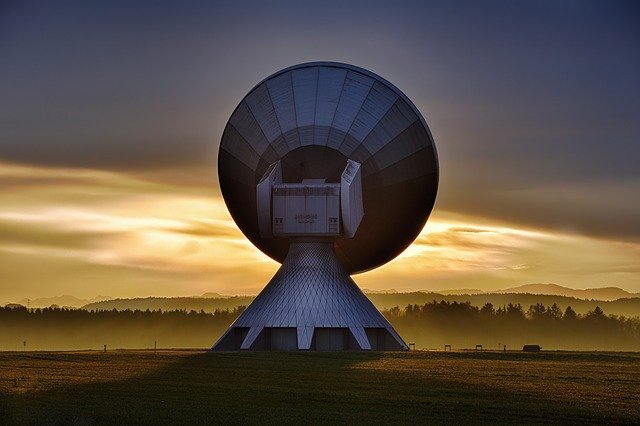
5G Satellite Communication Market: Rapid Technological Advancements in 5G Satellite Services in Industries to Drive the Market

competitive advantages, such as lower latency and ultra-fast network, over previous generation networks (such as 3G or 4G), provided by 5G networks are expected to create growth opportunities for the 5G satellite communication network. The evolution of 5G is expected to create a new age of mobile communication in three main field – enhanced Mobile Broadband (eMBB), massive Machine Type Communications (mMTC), and Ultra-Reliable and Low- Latency Communications (URLLC). These fields require different latencies and high bandwidths, which can be provided by various satellite solution networks, namely backhaul and tower feed, trunking and head-end feed, communication-on-the-move, and hybrid multiplay.

Read Report Overview: https://bisresearch.com/industry-report/5g-satellite-communication-market.html

Factors such as high energy saving, low latency, ultra-reliable network, and higher bandwidth of a 5G network are leading to an increase in the development of use cases in aviation and consumer electronics. Moreover, increasing demand for the connected ecosystem is facilitating a wide adoption of 5G communication satellite systems by the network operators. 

The development process of a communication network has proven to be a vital part of the network technology ecosystem. The changing needs of the end-user, as well as the enterprise market, require higher bandwidth, increasing data traffic across various sectors. Data-intensive applications and increased use of connected devices have created congestion in today’s networks, thus driving the need for network evolution. To address these growing needs of speed, reliability, and low latency, 5G networks have been introduced.

The next generation of wireless networks addressed the development of massive M2M and internet of things (IoT) applications, fast broadband speed, and significantly reduce the cost for mobile and fixed networks. 5G offers high-speed internet connectivity, low latency, and enhanced safety measures to support the end-user industries such as aviation, consumer electronics, transportation & logistics, energy & utilities, and heavy industries. Besides, significant changes in the demand of consumer for the higher bandwidth, low latency, and seamless connectivity to remote areas has led the telecom companies to collaborate with satellite operators. It will create enormous opportunities for satellite as mobile network operators to balance their 5G services with satellite connectivity and offload their terrestrial networks on a large scale. They will be able to take advantage of satellite’s inbuilt multicasting/broadcast functionality for new use cases, such as connected cars.

Satellite solutions such as backhaul and tower feed, trunking and head-end feed, communication-on-the-move, and hybrid multiplay are helpful to the mobile operators in a longer range for the rollout of 5G network in remote areas where terrestrial network for the development of broadband services is too costly. Moreover, functionalities of the satellite, such as backhauling, multicasting, and mobility access, enable mobile and fiber operators to expand their coverage areas. Many key players are planning to launch the integration of 5G and communication satellite in the near future. For instance, Industry leaders such as SpaceX and OneWeb are planning to launch 5G-satellite integration networks by 2023, to cater to the growing needs for speed, reliability, and low latency.

For Report Sample, Click here: https://bisresearch.com/requestsample?id=861&type=download

In the present and initial phase of 5G, the telecom industry is focused upon positioning enhanced mobile broadband use cases for providing faster speed and lower latency than those of the 4G network. Moreover, in the near future, with the introduction of New Radio (5G) and Standalone Access, 5G is expected to become more reliable in terms of Gbps speed and latency. However, currently, neither of these technologies is addressed by the satellite communication operators, as providing the backhaul services through Gbps is highly expensive, and latency below 50ms cannot be achieved without the launch of LEO constellation. This can make satellite communication a difficult task for the deployment of satellite with 5G enhanced mobile broadband, as satellite operators are positioning fiber for backhaul services in dense areas but not in rural areas, where satellite backhaul services can have a competitive advantage over 5G enhanced mobile broadband.

Apart from this, upcoming use cases, such as massive machine type communication (mMTC) and ultra-reliable communications (URLLC), are expected to be more feasible for satellite communication in the coming future, as mobile operators are currently still in the deployment phase for the IoT network using 4G technology. Moreover, apart from the challenges faced by satellite operators, such as issues related to the launch of LEO constellation satellite and backhaul services through Gbps, there is an opportunity for 5G-satellite integration in the near future.

The aviation industry is expected to be the second largest with consumer electronics as the frontrunner in the global 5G satellite communication market. The development of network technology (from 2G to 5G) has enhanced the Machine to Machine (M2M) communication by providing lower latency and higher bandwidth. The evolution in smartphone technology, growing importance of connectivity and safety, and high-speed internet connectivity have significantly transformed the aviation industry. Out of the wide area of end-users, satellite plays a vital role in connecting remote devices that cannot be assessed with terrestrial connectivity. Satellites can potentially integrate the gathered information from monitoring, fixed, and mobile remote assets. It is expected that by 2021, the 5G satellite communication market would be dominated by Gilat Satellite Network, Avanti Communication, and VT Direct, among others. However, due to the huge growth in the market, new players are emerging in the market.
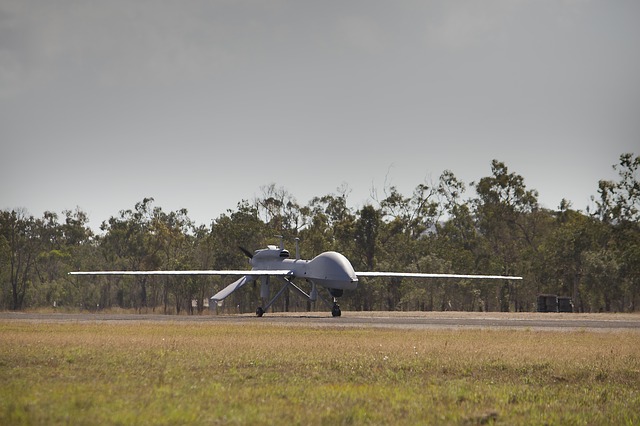

Identify Greater Opportunities for Military Unmanned Aircraft Systems in the Global Market!

The growing political tensions in the global arena has resulted in the development of new technologies to enhance the current inventory by military forces. Unmanned aerial systems are one of the major verticals in the military that are experiencing significant growth. Unmanned Aircraft Systems (UAS) have rapidly become one of the primary military weapons for crucial lethal and non-lethal operations. UAS primarily comprises of unmanned aerial vehicle, the ground control station, and an operator. The UAV operator controls the UAV using radio, cellular or satellite link from a remote location. GCS can be mobile, vehicle-mounted, or stationary based on the application.

Read Report Overview: https://bisresearch.com/industry-report/military-unmanned-aircraft-systems-market.html

Unmanned Aerial Vehicles (UAVs) are used for combat operations, remote sensing, battle damage management, and search and rescue, among others. The U.S., China, India, and Turkey, among others, are significantly developing UAS technology to enhance their warfare capabilities as UAVs provide better efficiency, long-endurance, remote operations without endangering human life, and precision targeting, among others. The various applications of UAVs in the defense industry, such as gathering intelligence, surveillance of hostile environments, and reconnaissance, have made them a huge asset in the battlefield. Various companies are continuously researching and developing next-generation UAV technology to make them more efficient, reliable, and autonomous for military applications.

UAVs are being used globally by military forces across the world. UAVs have become pivotal forms of arsenal in all military forces due to their enhanced capabilities. It is being observed that military budgets for UAVs are growing due to advancements in UAV technologies.

The strategies adopted by the key players in the global military unmanned aircraft systems market to gain a significant market share in the growing industry of military UAVs have been varying from product launches to acquisitions to partnerships over time. The key developments and strategies segment provides comprehensive insights into the different market development activities that are currently being conducted by various key players in the industry to compete with each other directly. A company can lead the market and gain overall growth by adopting several strategies, such as introducing innovative products from time to time, improving the framework of its existing products, collaborating with other market leaders, and acquiring relatively weaker companies into its domain.

UAVs are classified as Remotely Piloted Vehicles (RPVs) and automated drones based on their mode of operations. Unmanned aerial vehicles were first used during World War I, where both the U.S. and France were working on the development of automatic aircraft. Moreover, the need for the development of unmanned aerial vehicles is perceived during World War II due to huge losses that occurred by the reconnaissance aircraft. Although the adoption of UAVs took a long time as the technology was under research for a long time. However, unmanned aerial vehicles were first seen during 1973 during the Vietnam War for reconnaissance operation.

For Report Sample, Click here: https://bisresearch.com/requestsample?id=844&type=download

Moreover, other countries also started exploring UAV technologies. Over the years, UAVs are becoming more advanced with enhanced endurance and range. Since the 9/11 attacks, the U.S. has significantly increased the usage of UAVs primarily for an inspection operation. However, there is a controversy as well, especially when the UAV operation results in civilian deaths. In the modern world, drones have a significant usage primarily for defense applications. Drones are used primarily for applications such as Intelligent, Surveillance, and Reconnaissance (ISR), Target Acquisition, battle damage management, search and rescue missions, combat operations, and delivery & transportation, among others.

Transition from BOF to EAF Route of Steel Production Bolster the Demand for Needle Coke Market

The steel and automotive industry are the two major contributors in generating the demand for needle coke in the global market. The development of these industries is continuously driving the growth of needle coke, creating a more robust demand for the crystalline material in the downstream ecosystem. In the coming years, needle coke is expected to witness high demand due to the constant push from the government bodies toward the adoption of electric vehicles throughout the world.

Needle coke is extracted from two carbon sources and is of two types: petroleum-based and coal-based. Petroleum-based needle coke is significantly providing a push to the needle coke market in the end-use industries, where it is being used as a crucial raw material.

Needle coke is used most significantly in the production of graphite electrodes and lithium-ion batteries by electric arc furnace (EAF) steelmakers and battery manufacturers. Graphite electrode manufacturers use needle coke driven by its excellent characteristics that include withstanding a high temperature of around 2800°C, providing high thermal expansion coefficient and electrical resistivity. The steel and automotive industry posit a high demand for needle coke owing to its numerous characteristics.

The needle coke industry is a highly concentrated market, which consists of around ten key players from around the globe. The U.S., China, and Japan are the countries majorly producing a vast quantity of needle coke. The U.S. accounts for a major percentage of petroleum-based needle coke production, and China is leading in terms of coal-based needle coke production. The two countries are leading the market owing to the market contribution made by their giant players.

For Sample Report, Click here: https://bisresearch.com/requestsample?id=863&type=download

Needle coke is most significantly used in the production of graphite electrodes for the EAF steelmaking process. This EAF steelmaking process is being adopted by emerging economies and has acquired a significant share in developed regions such as Western Europe and North America. China is the largest producer of steel in the world, and the Chinese government has adopted certain firm steps and regulations to curb pollution and has also introduced regulatory norms for the adoption of the EAF steelmaking technique in the country. China is effectively adopting the EAF technique for the production of steel, escalating the demand for needle coke in the China-based market.

Needle coke is categorized into two types: oil-based and coal-based needle coke. Petroleum-based needle coke is used to produce ultra-high purity (UHP) needle coke, which finds its applications in the production of the graphite electrode that is used for steel manufacturing in EAF. Petroleum-based needle coke is also used in the production of lithium-ion battery anodes, which are used in electric vehicles for delivering high performance. Some of the key players of U.S.-based petroleum needle coke are GrafTech International Ltd. and Phillip 66 Company.

Going by the prevailing trend of the electric vehicles industry in 2018, the production of EVs is estimated to triple in production by the end of 2020, leveraging the growth in demand for lithium-ion batteries in the coming years. Needle coke is used in the manufacturing of lithium-ion batteries and is recording impressive expansion driven by the growth of combustion-free vehicles in the global market. The EV battery manufacturers have shifted from graphite to needle coke in the last couple of years, driven by its high performance. This has resulted in the exponential demand for needle coke generated from EV battery manufacturers of the ecosystem. Earlier, car manufacturers were using lead-acid batteries, which are now replaced by Li-ion batteries owing to the poor service life of lead-acid batteries. Nowadays, automakers manufacturing EVs, and plug-in hybrids are shifting toward lithium-ion batteries for better performance results such as low maintenance, high energy density, an increased number of charge cycles, among others. Some of the vital EV battery manufacturers producing lithium-ion batteries are Nissan Global, Contemporary Amperex Technology (CATL), and LG Chem Ltd.

Increasing Consumption of Animal-Derived Protein to Drive the Animal Genetics Market

The global food economy is being affected by the gradual change in food consumption patterns of animal-based products. The demand for animal protein is surging rapidly, and as per the Food & Agriculture Organization (FAO) statistics, the trend is expected to continue over the upcoming years. The livestock industry contributes 40% of the global value of agricultural output, further contributing to the livelihood and food security across the globe.

Read Report Summary: https://bisresearch.com/industry-report/animal-genetics-market.html

Animal genetic resources are an important part of biological diversity, which is inclusive of the breeds and strains of domesticated animals. With the increasing global demand for animal products, the production level of livestock has slightly reduced. Thus, to narrow the demand and supply gap, livestock producers across the globe are increasingly adopting animal genetics practice. Moreover, the global animal genetics market is also strongly prompted by the substantial support of the government in terms of investments, initiatives, and trade policies. Despite the global presence, the market for animal genetics is relatively small as compared to other industrial input suppliers.

Animal genetics is a division of science that is related to the production of the animal with the required traits. Although the global count of cattle has fallen over the past decade, the total production of beef and milk has increased. The increase in production was because of the genetic advancements, which have led to increased animal genetic activities, resulting in increased production.

The major solutions offered in the animal genetic industry include products and services. The product segment is further classified into live animals and genetic materials. The buyers of all products in the animal genetics industry are food manufacturers, dairy producers, beef traders, and suppliers of animal genetics stock to animal agriculturists. The services sector in the industry works in close coordination with the production sector since the services offered in the animal genetics industry play a crucial role in executing an efficient production process. The sector encapsulates services such as disease testing and trait testing for an animal agriculturist.

The competitive landscape for the animal genetics market demonstrates an inclination toward companies adopting strategies such as mergers and acquisitions, business expansion and contracts, partnerships, collaborations and joint ventures, and product launches. The major established players in the market are focusing on business expansion and contracts to increase their customer base and enhance their business and regional products segment, whereas the relatively less adoptive strategies comprise mergers and acquisitions. Hendrix Genetics BV, Cobb-Vantress, Semex, H&N International GmbH, Hubbard, Viking Genetics, Aviagen Group, and Mars Petcare are some of the prominent players in the animal genetics market.

For Report Sample, Click here: https://bisresearch.com/requestsample?id=833&type=download

The animal genetics market comprises major companies providing both products and services. The product type category companies include companies providing live animals and genetic materials, such as Hendrix Genetics BV, Aviagen Group, Groupe Grimaud, Cobb Vantress, PHW GROUP LOHMANN & CO. AG, and Hubbard Breeders. The service type category is inclusive of companies providing disease and trait testing, such as Animal Genetics Inc., Viagen Pets, Zerlotti Genetics, DDC Veterinary, and Weatherbys. This varied range of market participants provides opportunities to other players willing to bear the high risks involved in the industry.

The outcome of the emerging strategies and developments are already adding to the surge in the market in the form of business expansion and contracts. Moreover, the growing demand for animal genetic services is further expected to increase the involvement of companies across different segments of the value chain. The majority of the companies preferred business expansion and contracts to enhance their presence, while the relatively less adoptive strategies comprised mergers and acquisitions. Business expansion and contracts in the animal genetics market presented a major move made by a large number of companies. For instance, in Aviagen Group, started the operations of its ninth-largest hatchery in the U.S. In June 2019, Hypor, a subsidiary of Hendrix Genetics BV, opened a new swine nucleus farm in the municipality of Saskatchewan to intact the company’s biosecurity, R&D, and operational efficiency.

Get Neck-Deep Industry Insights About the Australia and New Zealand HVAC Market

The energy management industry has witnessed a massive transformation over the past five years, owing to the increasing demand for HVAC systems in the commercial, residential, and industrial sectors. Although the industry was previously driven by resources, it is now majorly driven by technology and innovation. Rising population and energy demand, along with the increase in greenhouse gas emission, has resulted in the growing concerns to enhance energy efficiency and energy conservation.

Read Report Preview: https://bisresearch.com/industry-report/australia-new-zealand-hvac-market

With the rapid implementation of energy management systems, the commercial, industrial, and residential end-users are able to conserve energy with the help of functions of energy management systems such as heating, ventilation, and air conditioning (HVAC) and lighting systems. The demand for HVAC products across the ANZ region is expected to remain high from the commercial, residential, and industrial sectors.

The demand for HVAC products in ANZ is majorly driven by the increasing population and the rising number of residential and commercial projects in the region. Several initiatives are undertaken by the local government, and emerging trends of green/smart buildings are forcing HVAC manufacturers and suppliers to launch energy-efficient and technologically advanced HVAC units for commercial, residential, institutional, and industrial sectors. Many leading global companies dealing with HVAC products are expanding­ their business across Australia and New Zealand, by increasing their distribution outlets across the region and launching products which are specifically designed as per the local environment.

The rising incorporation of HVAC systems in plenty of end-use applications such as the building sector across Australia and New Zealand has affected the industry dynamics in both the countries. During the transition from orthodox industrial practices to the new manufacturing processes, it was realized that industries lacked the innovation to control temperatures during extreme climate change. Ultimately, this paved the path for the widespread adoption of HVAC systems in application areas such as residential, commercial, and industrial, among others. HVAC systems have evolved as an integral part of various residential and commercial sectors such as food and hospitality, and large institutional buildings, among others.

Technologies such as IoT, automated control systems, and remote-control access are expected to transform the HVAC industry in the two countries in the coming years. Automated control systems work by detecting the surrounding climate and then controlling the temperature to provide optimum comfort. Remote control access will help users to operate HVAC systems through mobile applications with the help of the internet. IoT-enabled HVAC units will be helpful in attaining real-time information about the condition of the systems to users and manufacturers, helping them anticipate defects and reduce maintenance costs. Apart from the opportunity of technological incorporation, there are certainly other factors that are responsible for surging the sales of HVAC systems as well as for restraining growth.

For Report Sample, Click here: https://bisresearch.com/requestsample?id=838&type=download

The competitive landscape for the ANZ HVAC market demonstrates an inclination toward companies adopting strategies such as mergers and acquisitions, business expansion and contracts, partnerships, collaborations, and joint ventures and product launches. The key established players in the market are focusing more on product launches and development to increase the customer base and enhance their business and regional products segment, whereas the relatively less adoptive strategies comprise partnerships, collaborations, and joint ventures. Daikin Industries, LG Australia, Fujitsu General Australia Carrier Transicold Australia, Temperzone Ltd., ActronAir, Panasonic, Samsung, Toshiba, and Hitachi, among others, are some of the prominent players in the ANZ HVAC market.

The ANZ HVAC market comprises major companies providing key product types such as windows and portable air conditioners, chillers, mini-split air conditioners, air handling units, and fan coil units, among others. This varied range of market participants provides opportunities to other players willing to bear the high risks involved in the industry. In order to lead the market and engage in the process of market growth, a company needs to work in collaboration with the top market leaders, acquire the relatively weaker companies, bring new products and services to the market, and improve the existing product offerings.

Emerging strategies and developments are resulting in the surging of the market in the form of product launches and development. Moreover, the growing demand for HVAC systems is further expected to increase the involvement of companies across different segments of the value chain. The majority of the companies preferred product launches to enhance their presence while the relatively less adoptive strategies comprised partnerships, collaboration, and joint ventures. For instance, In October 2019, Rachio Inc., LG Electronics Australia has launched its first voice-enabled air conditioning range, which is compatible with Google Assistant and is set to launch just ahead of the Oz summer

FinFET Technology Market: Identifying the Competitive Landscape and Impacts on the Semiconductor Industry

FINFET

In this age of proliferation of technology and information, semiconductors are a cornerstone which acts as a data-processing aspect for any device, ranging from a smartphone to a spacecraft. The semiconductor industry is currently growing at a fast rate due to several advancements in the integrated circuits, such as improvements in reliability, power consumption, cost, and system size. These integrated circuits in any device comprise numerous transistors to control the overall flow of power in a binary form.

Read Report Overview: https://bisresearch.com/industry-report/finfet-technology-market.html

Semiconductors have significantly evolved over the years in various applications, such as automotive, manufacturing, and consumer electronics, primarily in terms of considerable improvement in performance, integration density, cost reduction, and reliability. In particular, the Internet of Things (IoT) and the widespread acceptance of connected ecosystems have effectively revolutionized industries such as automotive, infrastructure, agriculture, healthcare, and electronics, and semiconductor. The gradually increasing demand for a connected ecosystem has led to a larger integration of semiconductors in everyday devices/objects such as lamp posts, automobiles, and smart wearables, among others.

The global FinFET technology market has been categorized into six key product categories, namely system-on-chip (SoC), central processing unit (CPU), field-programmable gate array (FPGA), graphics processing unit (GPU), micro control unit (MCU), and network processors. Metal oxide semiconductor field-effect transistor (MOSFET) is the primary element used for fabricating integrated circuits (ICs). Advantages such as easy prototyping, low-cost scaling, and maximum reliability, among others, have made MOSFET dominant in digital circuits and system-on-chip (SoC) integrated substrate system. Since the introduction of MOSFETs in 1959 for fabricating ICs, the channel length of the device is made to shrink for producing faster and compact devices. The reducing channel length also ensures a decrease in the thickness of the silicon dioxide gate. A reduction in gate thickness further helps in increasing the gate capacitance for driving the current, and thereby, improves the device performance.

Owing to short channel effects such as surface scattering, drain-induced barrier lowering, velocity saturation, impact ionization, and hot electron effect, the scaling of devices beyond 20nm is not possible with 2D planar or MOSFET structure as it results in an increase of gate leakage and sub-threshold leakage in the device. The enhancements and improvements in scaling technology have demanded low power-based circuits, thereby giving rise to fin field-effect transistor (FinFET) process technology.

Request for the Report Sample: https://bisresearch.com/requestsample?id=672&type=download

The global FinFET technology market has witnessed numerous significant developments by different market players to attain their respective market shares in this emerging domain. The strategies employed to gain a significant market share in this growing industry have been varying from partnerships, contracts, joint ventures, and collaborations. This segment provides comprehensive insights regarding the different market developmental activities adopted by the key players in the industry to compete directly.

The Outbreak That has Locked Down the Global Trade

Covid-19 has essentially brought the world, economies and lives to a halt. The global human population is fighting a battle for survival, and there is no reason to believe that we will not prevail. However, this global shock will leave a very deep mark.

https://info.bisresearch.com/covid-19-updates

A response to this economic shock, once we eradicate the virus, will be equally strong. This response will be towards building capabilities in ways that we can hold off such threats in the future, deal with them much better if it does come to it, and overall bring to bear the best of technologies and innovations.

Healthcare stakeholders are on the front lines of the COVID-19 outbreak, but this pandemic has affected more than just people’s businesses. As a leading market intelligence provider, our team at BIS Research has pledged to come up as a credible source of all the information related to the impacts on the several industries due to this outbreak.

According to the United Nations, global economies have already been shaken under the impact of this “Doomsday scenario” and might as well take a hit of $2 trillion. Industries are trying to combat the situation by planning a robust business continuity plan and assisting various governments to flatten the curve for containment of the virus.

IoT Security Market: Rise in Demand for Security Services from Enterprises

IoT Security

The advent of digital technology in the past decade has helped in the evolution of various industries, such as manufacturing, automotive, and healthcare, in terms of connectivity, cost reduction, enhanced safety measures, and convenience of users. In particular, the Internet of Things (IoT) and widespread acceptance of connected ecosystems, among consumers and enterprises have revolutionized industries such as infrastructure, government, automotive, and manufacturing. The connected ecosystem consisting of devices and appliances has only one key purpose, i.e., to improve the quality of life by offering enriched digital experiences.

The global IoT security market is growing at a high rate and is expected to reach a substantial level by 2024. There is a huge demand emerging from the manufacturing sector for cybersecurity measures. The global IoT security market is presently witnessing a pattern of transition due to the increasing market demand for security regulations and measures in various industries, including automotive, consumer electronics, energy and utilities, and manufacturing, among others. However, growing complexity among IoT devices for security measures coupled with a lack of IoT security skillsets and awareness within the organization act as the primary growth inhibitor for the IoT security market.

During the forecast period 2019-2024, the global market generated $16.55 billion in 2018 due to the high demand from several industries that are utilizing an interconnected cyber-physical system to automate operations from supply chain and maintenance to design and manufacturing. Additionally, sectors such as automotive industry are also expected to flourish in the forecast due to the launch of more number of connected vehicles requiring a large number of cybersecurity solutions for data protection and prevention against hacking.

In this age of proliferation of technology and information, connected devices are the cornerstone aiding ineffective data processing for any device segment, ranging from a smartwatch to spacecraft. However, there is a growing concern that manufacturers don’t implement strong security features in these connected devices, thereby leading to data breaches. Some of the most common data breaches include malware attack, phishing, SQL injection attack, and denial-of-service.

For Report Sample, Click here: https://bisresearch.com/requestsample?id=728&type=download

Among all these attacks, the threat of DDoS and malware attacks has increased significantly. This is because of the ready access to easy-to-use tools and by a wider criminal understanding of its potential for the profit through extortion. These attacks, which directly target enterprises and individuals, may potentially lead to huge financial and personal losses. Cyber-attacks, such as Wannacry, have exploited multiple vulnerabilities infecting networks extremely quickly, halting the entire factory production lines, healthcare services, and commercial systems.

Business Impacts of Implementation of Artificial Intelligence (AI) in Energy Industry

Over the last decade, the power utility and oil & gas industries have transformed drastically, primarily characterized by major technological disruptions. For the past three years, the industries have been witnessing an increasing implementation of smart and intelligent technologies, a surging adoption rate of cloud services, and the growing deployment of analytics that lead to increased automation in operations in these industries. The introduction of digitized solutions and systems to the energy sector aims at increasing energy efficiency and reducing the process downtime based on the real-time information obtained by the control systems through hardware, software, and services.

Read Report Preview: https://bisresearch.com/industry-report/artificial-intelligence-energy-market.html

In order to accommodate the growing requirements of the digitized solution and ensure continuous energy supply to the shareholders, the energy companies have initiated several strategies to optimize the grid network. With the advent of artificial intelligence (AI) technology, the energy sector stakeholders can execute various applications across the supply chain. AI technology using application-specific algorithms has the capacity to think, analyze, and react without human intelligence. The energy industry has observed a rapid adoption of AI regarding renewable energy management, exploration, and seismic activities, demand response, and retail and facility management.

The three key advantages that the deployment of AI is estimated to benefit the industry by enhancing operations, improving reliability, and adding value to the business. Catering to the escalating rise in the demand for energy conservation and energy security, established information technology solution providers are developing intelligent platforms and solutions. The given solutions are aimed at assisting the companies across the energy value chain to mitigate the supply-demand gap by ensuring high yields, profitability, and protection of the environment. Some of the leading companies working actively in this market are IBM Corporation, Microsoft Corporation, Accenture Plc, and Huawei Technologies.

The rapid market penetration of the AI technology has led to the enhancement of the operational productivity by minimizing manual labor and providing an efficient platform for proper data management of production inputs with a specific focus on energy industry applications such as renewable energy forecast, demand response, infrastructure management, seismic imaging, and preventive maintenance. The widespread implementation of cloud-based software systems has fueled the market growth by reducing security risks and increasing overall production capacities by the identification of underground oil & gas resources. Companies such as Validere Technologies, Ambyint Inc., Salesforce Inc., and Sigfox Technology are increasing their investments in artificial intelligence-powered technologies, to improve operations and reduce downtime.

For Sample Report, Click here: https://bisresearch.com/requestsample?id=795&type=download

Key companies in the market have also adopted certain business expansion strategies to enter new markets. Stem Inc., one of the key players in July 2019, expanded its business with the launch of AI-enabled solar systems using the company’s AI platform, Athena. In November 2017, C3.ai opened up APAC regional headquarter in Australia for AI and ML applications for the energy industry.

Strategies such as mergers and acquisitions have also been significantly employed by the players across the supply chain to expand in the AI in energy market. For instance, in September 2019, Accenture Plc, one of the leading players in the AI in energy market, acquired Pragsis Technologies to enhance its AI product portfolio catering to retail, energy and utilities, public sectors, and other asset-intensive industries.

The Rise of Power-to-Gas Industry: Taking an Initiative for an Eco-Friendly and Sustainable World

Power to Gas Market

The drastic climate change owing to the increasing carbon dioxide emissions and other greenhouse gases have led to a major transformation in the energy systems of different countries. Different targets have been put forward by countries to minimize their carbon dioxide emission. Most countries have been aiming to turn carbon neutral by 2050. In order to achieve the set target, different innovations are being made to upgrade the energy storage systems so as to be able to incorporate the renewable sources of energy, further accelerating the transition toward a carbon-neutral economy in a sustainable way. Photovoltaic panels and wind energy are considered to have high potential to generate electricity and transform the electrical system into an energy-efficient one. However, the generation of electricity with the help of renewable sources of energy leads to a further need for storage or transmission to other forms of energy, which can be consumed. The inclusion of renewable sources of energy to develop a well-integrated energy system requires proper designing, planning, and implementation.

The power-to-gas technology has been pivotal in fulfilling the significantly high energy requirements since its introduction. The entire ecosystem of electricity production plays a crucial role in storing energy. Therefore, huge investments, along with intensive R&D, are currently being made by various key companies to enhance the energy storage capacity with the help of renewable sources of energy. Moreover, the ongoing environmental concerns have further been escalating the requirement of innovative changes in energy consumption patterns.

The concept of power-to-gas is looked upon as a promising innovation that would complement the integration of renewable energy resources such as photovoltaic panels and wind panels with electrolyzers and methanation equipment to produce green gases such as hydrogen and methane. Power-to-gas is a potential innovation that provides flexibility in terms of electric infeed, and the overall efficiency of the conversion process is high. It works well with the existing gas network and is of much use to facilitate the seasonal storage of energy. The gases thus produced as a major product from power-to-gas plants further help in decarbonizing different end-user industries such as steel industry, gas grid, and automotive, among others.

The entire power-to-gas concept revolves around the generation of green gas with the help of renewable sources of electricity, whereby water is broken into hydrogen and oxygen with the help of electrolysis. The green hydrogen gas thus produced is either used directly or transported through the gas grid to serve different application areas or processed further with the help of the methanation process to produce methane by blending with carbon dioxide. The following figure showcases the entire process of power-to-gas in a nutshell.

The utility of the power-to-gas concept has been gaining traction due to the rising need for deploying utility-scale energy storage solutions. Although technology is theoretically much researched and studied, the practical operation is still growing and has not touched the point of full-fledged commercialization. The majority of the power-to-gas plants are currently operating on the pilot basis, while supported with the assistance of government funding and subsidies. At this point, the establishment of the power-to-gas facility is expensive, although, due to the materialization of learning curves, it has been anticipated that the high capital costs are bound to decline. The following figure showcases that the power-to-gas concept is in the valley of the death stage and requires a huge governmental push to penetrate the market and operate on a commercial basis.

Europe has a favorable framework in terms of policies and tariffs that lay grounds for market incentives and create an opportunity for the growth of power-to-gas facilities. Countries such as Germany have been heavily investing in power-to-gas plants as an attempt to decarbonize their economy and achieve the targets set for 2030. Many other countries have been incorporating power-to-gas in order to be in line with the Paris Agreement (2015) and cut down on their usage of fossil fuels so as to reduce the carbon dioxide emissions.

For Report Sample, Click here: https://bisresearch.com/requestsample?id=823&type=download

Hydrogen is the most produced gas in the power-to-gas market. The production of hydrogen with the help of electrolysis in power-to-gas plants is widely being considered as an energy vector as it emits no greenhouse gases or toxic pollutants. In an aim to achieve ambitious targets set by different countries to become an energy-efficient economy, the countries need to adopt hydrogen into their power generation systems, building sector and transportation sector, among others.

The competitive landscape of the power-to-gas market consists of different strategies undertaken by major players across the entire value chain to gain market presence. Some of the strategies adopted by power-to-gas technology manufacturers and plant installers are product launches, mergers and acquisitions, partnerships, and collaborations. Among all the strategies adopted, partnerships, collaborations, and contracts have dominated the competitive landscape. Hydrogenics Corporation, ITM Power PLC, Nel ASA, and MAN Energy Solutions, are some of the leading players in the global power-to-gas market. To increase their overall global footprint, technology manufacturers are expanding their businesses and are also entering into strategic partnerships to target a greater audience.

EXYTRON GmbH, Hitachi Zosen Inova Ag, Hydrogenics Corporation, ITM Power PLC, and MAN Energy Solutions are some industry players that have remained in the limelight since last few years due to their developments in the field of power-to-gas.

Design a site like this with WordPress.com
Get started