How will the Growth Unfold for Water and Wastewater Treatment Chemicals Market Leaders

Water and Wastewater Treatment Chemicals

A paradigm shift is now required in water management all over the world not only to prevent the further damage to sensitive ecosystems but also for the effective management of wastewater. Water and wastewater treatment chemicals are playing an important role in providing clean water and preventing from various diseases.

The use of traditional water treatment methods is declining over time, owing to the rapid industrial development in various sectors. To meet the emerging demand for water management, major water industry players are emphasizing on developing innovative treatment products for local as well as the global sites. Zero liquids discharge technologies, resource recovery, and smart water solutions are certain innovations which are going to abruptly revolutionize the water treatment industry. The integration of emerging technologies with traditional water treatment infrastructures is expected to help various public and private stakeholders to further enhance their capabilities for effective wastewater treatment and recovery of waste energy resources.

Some of the key players in the global water and wastewater treatment chemicals market are Akzo Nobel N.V, Albemarle Corporation, SOLENIS, SUEZ, Ecolab, and Kurita Water Industries Ltd. The growing number of industries including power, oil & gas, food & beverage, and rising municipal sector is mainly fueling the water and wastewater treatment chemicals market.

A large share of water is used by households, services, and industries. The amount of water for personal use (drinking, cooking, and bathing) is relatively small as compared to other uses of water such as in food processing industries, oil & gas, and chemical processing. Besides, safe and readily available water is important for public health, as it is used for drinking, domestic use, food production, and other recreational purposes. Therefore, the preservation of water is essential.

Rising awareness among people, increasing population in developing economies, agricultural intensification, and climate change are some of the factors affecting the growth of water and wastewater treatment chemicals market, globally. Moreover, some industries, such as food, paper, chemicals, and refined petroleum, use large amounts of water. Industrial sectors consume a large quantity of water and produce wastewater during various processes. Thus, water treatment facilities are required at different levels. The raw water entering an industrial plant often needs treatment to meet quality specifications.

Get the Sample Report at: https://bisresearch.com/requestsample?id=824&type=download

The water and wastewater treatment chemicals market, in terms of application, is mainly categorized into municipal, power generation, oil & gas, paper & pulp, food & beverage, chemicals, and others. The municipal application in water & wastewater treatment chemicals market was the largest end-user segment in 2018. The demand for water and wastewater treatment chemicals is increasing in municipal sector due to the growing urbanization and technological advancements. Many municipalities are facing the issue of growing population, which is why they are opting for smart water management solutions.

The global water and wastewater treatment chemicals market is expected to grow at a significant rate during the forecast period (2019-2029). The increase in the number of end-user industries, including paper & pulp, municipal, power, is mainly increasing the demand for treated water. Moreover, with the increasing urbanization and economic development, the current water supply is unlikely to satisfy the ever-growing demands. Therefore, the aforementioned industries need to minimize the wastage of water and use water more efficiently by reusing. Hence, the chemical industry is using innovative ways for water management. The growing usage of water and wastewater treatment chemicals in pharmaceuticals, textiles, and mining is also fueling the market of water and wastewater treatment chemicals.

Mobile Robot Market Facts, Figures And Analytical Insights 2025

Mobile Robot Market

The mobile robot market is currently witnessing a high growth rate owing to the growing usage of robots in emerging countries for varied applications, the technological advancements, and the increasing concerns for labor safety and human. Recent innovations and government funding and initiatives in robotics and AI domain have enabled the solution providers to reach a wider segment of consumers in the industry.

Despite the multiple sensors, mapping and location software, and computer vision capabilities, embedded in many commercial robots making them more intelligent and receptive to human presence, the concerns regarding safety. Robots can carry out powerful movements during different tasks that can cause danger to humans surrounding them. Also, any kind of malfunction in these robots can pose a life threat to the people working around them.

In terms of value, the global mobile robot market was valued at $13.81 billion in 2019 and is expected to reach $28.06 billion in 2025 at a CAGR 18.62% during the forecast period 2020-2025. The growth of the mobile robot market is majorly due to the increased adoption of mobile robots in different commercial application areas. Also, the increasing demand for mobile robots, mainly due to the urge for logistics and warehouse solutions from e-commerce companies, is driving the growth of the mobile robot market. Several factors, such as rising labor cost and unavailability of skilled labor, have led the businesses to invest in mobile robots, thereby further increasing the business prospects for the mobile robot industry.

The global mobile robot industry is one of the most competitive industries with the leading players actively competing against each other to gain a greater share in the industry. The competitive landscape of the mobile robot industry exhibits an inclination toward emerging strategies and developments by market players.

For Sample Report, Click here: https://bisresearch.com/requestsample?id=939&type=download

Key players that are actively participating in the mobile robot market include AUBO Robotics, Blue Ocean Robotics, Clearpath Robotics Inc, Eddyfi, Fetch Robotics, GE Inspection Robotics, Locus Robotics, Lockheed Martin, Mobile Industrial Robots, Northrop Grumman, QinetiQ Group, Seegrid Corporation, Swisslog Holding AG, and Transbotics Corporation.

The prominent players in the mobile robot market adopted strategies of product launches, contracts, mergers, and acquisitions to expand their business. The companies are also involved in some of the other developments that include demonstration, integration, and business expansion, among others. Due to the intensive competition, the mobile robot industry requires manufacturers to constantly innovate and develop cost-effective products. The existing companies as well as new entrants, which aim to develop next-generation solutions to cater to the need for future applications, could benefit from this market.

Ground Defense System Market Competitive Landscape, Regional Outlook Upto 2024

Ground Defense System Market

The need for enhanced border security due to issues related to increasing land disputes, migration, and smuggling, has obligated several countries to further strengthen their security. This has led to the increase in the demand of advanced combat and support vehicles which provide enhanced situational awareness to the soldiers so as to have a competitive edge over the opponents. With recent developments in artificial intelligence and machine learning, manned and unmanned ground vehicles are becoming available at a reliable cost. Ground defense systems are typically operated through manpower, but after the development of technologies like artificial intelligence, robotics, machine learnings and sensors, the demand of unmanned operated ground defense system is growing significantly.

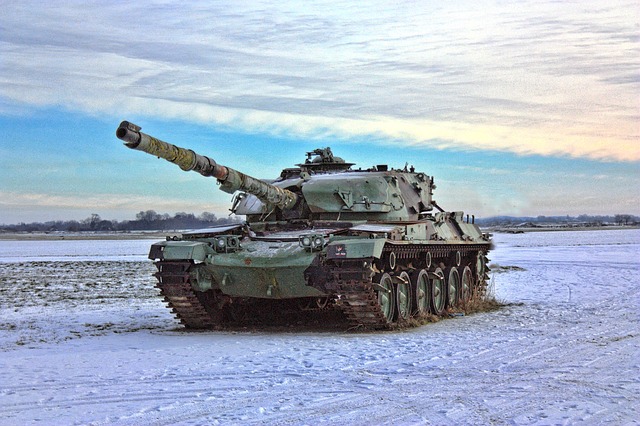
There has been a significant development in the modernization of ground defense systems which increase the mobility, survivability, and lethality of ground defense vehicles. This is primarily due to the rising inflow of defense budgets across the globe on account of increasing extent of conflicts among various countries. In defense and security application, the ground defense systems are used for combat, logistic & transportation, search & rescue explosive ordinance disposal, intelligent, surveillance & reconnaissance, mine clearance, firefighting, engineering and recovery support. Ground defense vehicles such as main battle tanks, infantry fighting vehicles, self-propelled artillery, multiple launch rocket systems, armored personnel carrier, mine resistant ambush protected vehicles, tactical armored vehicles, light utility vehicles, amphibious and military engineering vehicles are the major types of vehicles which comprise different kinds of electronic and mechanical systems for optimum operation. These vehicles are capable of handling various activities that include combat capabilities, cognitive capabilities, sensing emotion, intelligence, and surveillance & reconnaissance.

On account of growing cross-border conflicts, terrorist activities, and NATO’s defense spending standard, the government and defense forces are focusing on raising defense budget for procurement of advanced combat and support system along with upgradation of old fleets, resulted in the demand for main battle tanks, armored personnel carrier, light tactical vehicle/multi-purpose armored vehicle and amphibious vehicles, among others is growing substantially. Countries such as U.S., U.K., China, India, Japan, Germany, South Korea and Saudi Arabia are actively engaging in new production contracts with private and public defense equipment manufacturing companies.

Get the Sample Report: https://bisresearch.com/requestsample?id=819&type=download

The increased revenue generated by the manned and unmanned ground vehicles is due to high demand for the modernization of main battle tanks, infantry fighting vehicles and new procurements of armored personnel carriers and UGVs for defense and security applications. Main battle tanks and infantry fighting vehicles are mainly used for combat applications, whereas unmanned ground vehicles are usually used for navigation through tough terrains that are both unsafe and toxic. Unmanned ground vehicles are robotic vehicles that are used in complex environments of military operations, explosives handling, search operations, and intelligence gathering, among others.

The key players that are actively participating in the ground defense system market include BAE Systems (U.K.), QinetiQ (U.K.), Elbit Systems Ltd. (Israel), IVECO DEFENCE VEHICLES (U.K.), Denel Land Systems (South Africa),  Northrop Grumman Corporation (U.S.), Lockheed Martin Corporation (U.S.), Navistar Defense (U.S.), Oshkosh Defense (U.S.), Rheinmetall AG (Germany), Israel Aerospace Industries (Israel), General Dynamics Corporation (U.S.), Harris Corporation (U.S.), Clearpath Robotics Inc. (Canada), FLIR Systems Inc. (U.S.), and Thales Group (France), among others.

Smart Kitchen Appliances Market Trends, Growth, Analysis and Future Scope, 2024

Smart Kitchen Appliances Market

Rapid technological innovations in home appliances in the last decade have immensely transformed the global kitchen appliances industry. The innovations are largely characterized by modernization of kitchen appliances by integrating Internet of Things (IoT) and making them standalone appliances that can be operated with minimal human effort. The ease of access and comfort in modern living that smart kitchen appliances bring about are among the key factors that drive consumers to invest in such options. Driven by this change, numerous private players have customized their product offerings to keep up with the industry, thereby providing the customers with a wide range of both large and small kitchen appliances. These appliances are being upgraded to perform efficiently and effectively through connected technologies such as Wi-Fi or Bluetooth. As a result, the adoption of smart kitchen appliances is anticipated to progress due to the ever-growing demand for more convenience from the kitchen appliances.

The era of technological modernization began with the advent of smart homes in nations, such as the U.S., the U.K., and developed European countries. The importance of home and household appliances in the lives of the population is a sign of the advancement of the living space. The configuration of modern homes with smart meters as an initiative to build smart cities has boosted the need for energy efficient appliances to be used in households. This has given a gradual rise in the replacement of traditional kitchen appliances with smart kitchen appliances in most developed nations.

Although products offered under smart kitchen appliances render efficiency and ease in operations for the consumers, the adoption of these products also faces a few restraints. The smart kitchen appliances are offered at prices much higher than traditional kitchen appliances, which makes it difficult for an ordinary consumer to invest huge amounts for upgrading their kitchen. The adoption of these appliances may be high in the developed nations, but it is at a fairly nascent stage in developing countries, especially in Asia-Pacific Japan and Middle East Africa.

With the rapid market penetration of the IoT technology and the integration of the same in households, there have been significant enhancements of product offerings in the kitchen appliances segment. The most attractive product in smart kitchen appliances is the smart coffee machine, which is adopted highly in the commercial segment and is gradually gaining traction in the residential sector as a symbol of modernization of kitchens for consumers in the high-income bracket.

The integration or connectivity of smart kitchen appliances with Wi-Fi is currently the most common platform, and this trend is expected to maintain dominance in the market during the forecast period. The ability to connect kitchen appliances with smart home appliances, such as voice-enabled products, requires Bluetooth integration, which many global smart kitchen appliance manufacturers are now implementing. The commercial sector, comprising of eateries, high-end restaurants and cafes, is gradually catching up in the adoption of small smart kitchen appliances, especially smart coffee machines. Global smart kitchen appliances manufacturers are partnering with commercial establishments to increase their footprint and popularity of smart kitchen appliances.

Obtain the Sample Report: https://bisresearch.com/requestsample?id=896&type=download

The partnerships and collaborations strategy has also been significantly employed for the expansion in the smart kitchen appliances market. With the increasing growth in the global market, companies operating in this industry are compelled to come up with collaborative strategies in order to sustain in the intensely competitive market. For instance, in September 2019, Qingdao Haier Co., Ltd partnered with SideChef, a home cooking platform, to provide their users with step-by-step cooking instructions based on inventory available inside refrigerator.

Various government bodies and companies, along with an increase in the exposure to technology, such as smart homes and IoT integration in appliances, are expected to augment the global kitchen appliances market. The increase in the adoption of sophisticated kitchen appliances is necessary to bridge the demand and supply gap along with attaining sustainability in the homes.

Precision Agriculture Market Trends, Competitive Landscape and Forecast by 2025

Precision Agriculture

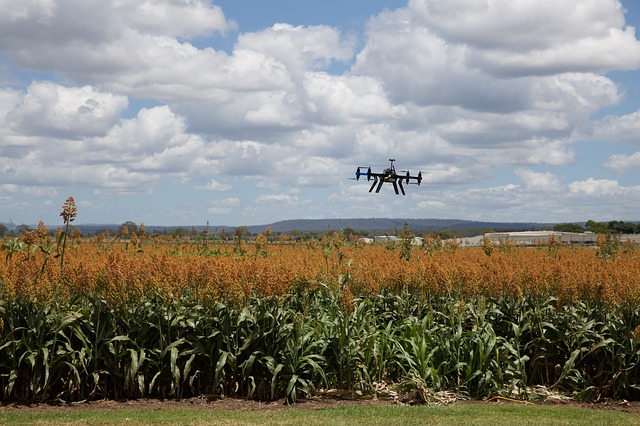
The precision agriculture market encompasses a wide array of technologies such as guidance technology, sensing technologies, variable rate application technology, and data analytics and intelligence. These technologies are considered component-level technologies which are put together in different combinations by existing players to offer advanced solutions, such as robots and drones. Guidance technology is one of the most mature agriculture technologies which has a wide adoption rate specifically across the growers of North America, Europe, and Oceania. The sensing technology plays a pivotal role in enabling the entire agriculture technology ecosystem to function. The presence of sensing technologies helps other agriculture technologies function, as it feeds those technologies with data. Although the guidance technology has experienced market maturity, sensing technology amongst other emerging technologies are witnessing high amount of investments in product innovations. Technologies including remote sensing, aerial imagery, and soil sensing are some of the core components of sensing technologies, upon whom the reported growth for this segment is attributed.

Report Preview: https://bisresearch.com/industry-report/precision-agriculture-market.html

To address the escalating demand for food from the limited farmlands and labor, established agriculture machinery developers and technology vendors are introducing innovative solutions in the farming arena. These solutions are focused on helping farmers to fill the supply-demand gap, by ensuring high yield, increased profit, and protection of the environment. The approach of using information technology (IT) to ensure optimum utilization of resources in order to achieve high crop yields and reduced operational costs is called precision agriculture. Precision agriculture technologies comprise specialized equipment, software, and IT services.

High growth in the market is expected to be driven by the need to effectively apply site-specific farming solutions to manage raw materials and resources, as per requirements. The deployment of automation, along with control and sensing systems, to steer the application of agricultural inputs is expected to augment the growth of the market. Precision agriculture is also expected to reduce the ecological footprint of daily farming. In emerging countries, growth is expected to be driven by rising awareness among governments of different countries about the need to elevate farm produce while taking care of the environment. Furthermore, rising concerns over global food security and sustainability have led to extensive investments by the government in terms of initiatives and trade policies.

Moreover, the rapid market penetration of the Internet of Things (IoT) technology in farming practices has led to the enhancement of agricultural productivity by minimizing manual labor and providing an efficient platform for proper data management of production inputs. The widespread implementation of cloud-based software systems has fuelled the market for precision agriculture by reducing the risk and increasing overall production capacities.

Farm produce in the agriculture industry incorporates a wide variety including field crops, permanent crops, and others. The demand for all kinds of farm produce is on rise, due to the macro-level demand for higher global food production and rising urban population. Thus, different agricultural technologies are intended to be introduced in the market which could handle a large groups of farm produce. Companies and universities have had their preference for a specific type of produce for different precision agriculture technologies due to ease of operation, need for high end farm machinery, and vested interest of funding parties, among others.

For Sample Report, Click here: https://bisresearch.com/requestsample?id=917&type=download

The trend of precision farming is prevalent in not only developed countries but also developing countries. In countries such as China and India, large-scale deployments of smartphones and Internet of Things systems have led to the rapid adoption of precision agriculture solutions. Governments of several countries have realized the need for and advantages of these technologies. Thus, their initiatives to promote precision farming techniques are expected to drive the growth in the market. The adoption rate of precision agriculture technologies is impacted by many factors such as farm size, farmers age, features of equipment, characteristics of the technology, and legal affairs.

UAS Traffic Management System Market Analysis & Key Business Strategies

UAS Traffic Management

Since 2014, NASA, along with UAS community partners, industry leaders, various governments, and academia are actively developing and testing the unmanned traffic management research platform. Many successful tests and demonstrations for communication prototypes, beyond visual line of sight (BVLOS) operations, mission planning, and longer range application only goes on to prove that in the near future, a commercialized market for unmanned traffic management is gradually emerging. This growing need for the UTM services has also resulted in development of regulatory framework for the deployment drones around the world. This regulatory framework is expected to include operational limits, key responsibilities of the stakeholders, aircraft requirements, etc. Government and regulatory authorities have made some exemptions in 2018 with regard to the operation of commercial UAVs that has been a driving factor in the UAV market growth. The U.S.-based Federal Aviation Administration (FAA) and Germany-based European Aviation Safety Agency (EASA) are two prominent regulatory authorities that are actively working towards creating more opportunities for the commercial drone business.

Read Report Overview: https://bisresearch.com/industry-report/uas-traffic-management-market.html

Flight technology has changed the contours around the domain of aviation. Aviation is one of the most key innovations of mankind that has brought forth various kinds of modern technologies- from propulsion systems to artificial intelligence and modern communications- which have opened numerous windows of opportunities. The first unmanned aerial vehicle (UAV) was developed in the third decade of 20th century which was primarily used for military application. Ever since then, UAVs have evolved to a large extent in the technological sphere. In the past decade, UAVs have undergone significant developments such as considerable reduction in weight, size, and cost, enhanced battery life, and increased degree of autonomy in its operation. These developments have led to a wide scale of adoption for diverse range of applications across commercial and non-commercial end users.

Passenger and delivery drones, and other unmanned vehicles have the potential to effectively address today’s issue of traffic congestion, along with attempting to improve transportation facilities and logistics, and to create new and efficient products along with their services. Since there has been an increase in the number of drones and other aircrafts, it will be a challenge to manage and maintain such an increasingly diverse airspace. Although it is anticipated that the number of drones are gradually going to increase, it will be prime responsibility to efficiently integrate aircrafts while maintaining safety and security of the end users.

As the unmanned drones are rapidly on a rise, it is evident that there is an impending need for management services to control and manage these drones. The overall concept was devised by NASA in 2013 for integration of drones in low-altitude airspace. Based on this concept, NASA along with FAA, has worked out since then by refining overall capability of the system to become functional. NASA envisions two types of unmanned traffic management (UTM) systems: portable systems and persistent systems. Portable systems will have the ability to move in majority of geographical areas and support operations such as precision agriculture and disaster relief, while persistent UTM systems would mainly support low-altitude operations and provide continuous coverage to a particular geographical area. Since 2016, NASA is leading most of research and development initiatives in the UTM arena and has been involved in testing its UTM platform with various industry partners under its testing capability level (TCL) program. Similar degree of research is taking place in Europe to develop and design unmanned traffic management system. The drone market in Europe envisions drone services for 3D mapping, infrastructure, geo-fencing and delivery of good in the coming futures. Since 2016, U-space in Europe is gradually developing a new set of services which to support safe and efficient secure applications of drones in airspace. There is a fixed time frame according to which these services are expected to be launched in Europe. In addition to this, other countries such as China, Singapore, Japan and Australia are also making considerable efforts to develop their respective unmanned traffic management system.

Obtain the Sample Report: https://bisresearch.com/requestsample?id=670&type=download

The UTM system is an upcoming phenomenon that is envisioned to skillfully manage drone traffic in the lower level of the airspace. The system is primarily being developed for small-sized drones (i.e. drones with weight up to 55lb) that will fly 400 ft. above the ground level. UTM system is envisaged to be a system of several subsystems which will work together to provide an end-to-end service. The UTM system will be connected to different data providers to accumulate the real-time information of weather, airspace traffic, drone registration, and credentials of drone operators, among others.

Agricultural Surfactants Market Rise With a Significant and Improved Revenue Growth by 2024

Agricultural surfactants fall under the broad category of agrochemicals products wherein high consumption of agrochemicals largely aids the growth of the surfactants. The regular developments in the surfactant field is continuously changing the consumer’s perception about its usage. Surfactants are surface active agents which help growers use herbicide, insecticide and fungicide more efficiently. Surfactants helps in reducing the surface tension of water, moreover, since these solutions are mostly water, this keeps the spray on the targeted pest rather than moving onto the soil.

Read Report Overview: https://bisresearch.com/industry-report/agricultural-surfactants-market.html

Surfactants are surface active agents, which are  types of activators designed to enhance the dispersing/emulsifying and spreading properties of the spray mixture. Depending on the type of polar heads, these surfactants can be anionic, non-ionic, cationic, and amphoteric. If the charge is negative, the surfactant is called anionic; if the charge is positive, it is called cationic. The non-ionic surfactant has no charged groups in its head and amphoteric surfactant combines the properties of both anionic and cationic surfactants. The choice of surfactant in the agriculture industry depends primarily on the type of weed/ disease/ plant targeted.

Pesticides usually consist of an active and inactive or inert ingredient. These inactive or inert ingredients can be adjuvants (surfactants), preservatives, solvents, diluents, thickeners, and stabilizers. A surfactant assists in enlarging the area of pesticide coverage and enhancing the absorption, which is an important factor for a pesticide to function properly.

With the increasing pressure on the global food production and adoption of modern farming practices and technologies, the demand for pesticides is expected to increase, which, in turn, would enhance the growth of the agricultural surfactant market. Fungicide-based surfactants are the growing segment due to increased priority on post-harvest wastage reduction, mainly in the developing countries.

The competitive landscape for the agricultural surfactants market demonstrates an inclination towards companies adopting strategies such as product launches and developments, and partnerships and collaborations. The major established players in the market are focusing on product launches and developments to introduce new technologies or developing further on the existing product portfolio. BASF SE, Croda Chemicals, DowDuPont, Evonik Industries, Huntsman Corporation, Nufarm, Clariant International, Lamberti S.p.A, Helena Chemical Company, and Wilbur Ellis among others, are the prominent players in the agricultural surfactants market. The market is severely fragmented with the presence of a large number of small-sized to medium-sized companies that compete with each other as well as large enterprises.

The result of the emerging strategies and developments are already surging the market in the form of business expansions and contracts. Moreover, the growing market of agricultural surfactants is further expected to increase the involvement of companies across different segments of the value chain. Majority of the companies preferred entering into business expansion and contract to enhance their presence while the relatively less adoptive strategies comprised  product launches, partnerships, collaborations, and joint ventures.  Business expansions and contracts across the value chain of the agriculture surfactant industry presented a major strategic move made by a large number of companies since 2016. For instance, in March 2019, Nufarm acquired Syngenta and Adama Agriculture Solution Ltd. to capture its product portfolio of crop protection and to strengthen its market position. Earlier, in March 2018, Stepan Company acquired the surfactant production facility of BASF Mexicana, S.A.DE C.V., to enhance the role of Stepan Company as a surfactant supplier in the Latin American market.

Request for the Report Sample: https://bisresearch.com/requestsample?id=708&type=download

The agricultural surfactant market ecosystem also encompasses several research institutes, associations and others. Additionally, the market also encompasses a significant number of industry bodies, and government and research organizations. Various government research institutes, such as National Pest Management Association, European Crop Protection Association, and World Bank are making substantial efforts to identify the benefits of agricultural surfactants using favorable trade policies.

Urban Air Mobility to Make Great Impact in Near Future by 2035

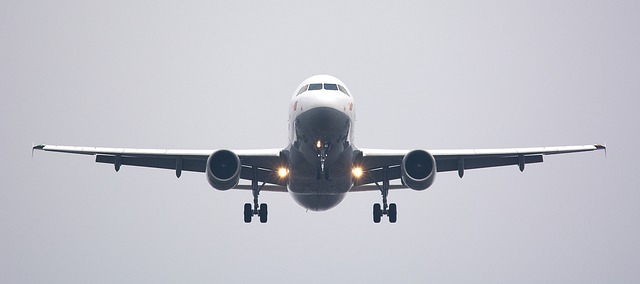
The urban air mobility market framework includes infrastructure, technology, and business. Infrastructure and technology are the most significant factors required for urban air mobility to take-off. The technological framework includes system architecture, battery operations, charging technology, software development, operations through ground and air operation, and certifications, among others. The urban air mobility market is expected to create an entirely new industry. The vehicles need to be manufactured at a large scale, so that they create new opportunities and benefits through the advanced aircraft. Sky ports require a lot of power, generating business for utility companies, while the need for a new infrastructure is expected to create opportunities for the real estate industry. The manufacturers are continuously taking initiative to develop various innovative infrastructural concepts, such as better connectivity, better tracking systems, almost every vertiport in the future is expected to have charging stations.

Urban-centered air transportation is not a new concept. In the 1970s, Boston and some other cities had services based on-demand helicopter taxi. However, the accidents, air pollution, noise, and cost ultimately grounded the taxi services. Nevertheless, in the 21st century, the timing is right to revisit this mode of transportation as aviation technologies. Moreover, the concepts have reached a level of maturity, which has led to change the shape of aviation to enable Urban Air Mobility (UAM), using quiet and efficient piloted and unmanned vehicles to conduct the on-demand and scheduled operations.

Urban Air mobility (UAM) is an attractive business prop¬osition, which is not too far off in the future. As the road travel in large megacities becomes increasingly congested, the population commuting daily are looking for a better way to safely travel to work and other destinations. Urban air mobility can serve as the advanced way to commute on a daily basis. Urban air mobility, being a part of the future urban landscape is a term used to describe the systems that enables on-demand, safe, highly automated, and passenger and cargo carrying air transportation services in a metropolitan environment for manned aircraft and unmanned aircraft systems.

The key development focus areas in the UAM framework include improvements in battery technology and new forms of electric propulsion system to increase flight ranges from 20 to 30 kilometers to more than 100 to 250 kilometers by 2030. Based on the developments in global urban air mobility market, aircraft prototypes have already been created, and various test and trials are being conducted upon them. However, after the successful completion of test and trials, it is expected to take 2-3 years for regulations to be in place and for air taxis to be developed and become fully operational. Therefore, in the most optimistic scenario, the UAM urban air mobility can be commercially available by 2020 onwards.  

For Sample Report, Click here: https://bisresearch.com/requestsample?id=689&type=download

Dubai, Singapore, Dallas, Los Angeles, and Tokyo are the five early key pioneers of urban air mobility creating major demand and attraction to this industry. Dubai launched test flights in 2017 and has an ambitious goal of launching commercial operations of its Autonomous Aerial Taxi Service in the near future. Uber Elevate project is expected to go live in Los Angeles, Dallas, and other international cities in 2023. These services are expected to have human pilots and a short range of 20 to 50 kilometers focusing on intracity mobility.

Privacy and safety concerns is another challenge faced by the urban air mobility market. The air taxis or drones in sensitive locations such as beaches and private properties can become a matter of concern. Hence, this restricts the use of air taxis and drones in certain locations. The initial infrastructural setup cost as well as travelling cost is high which could restrict the demand for the VTOL aircrafts in the market. Most of the technological constraints are related to battery, and it is one of the reasons hindering the growth of the electric Vertical Takeoff and Landing L aircrafts in the urban air mobility market. Weight of the battery is still an issue for lightweight flying vehicles, as they cannot carry heavy batteries. Effectively, 30% of a flying vehicle’s weight must be for the batteries and energy storage. Limited capacity of batteries to supports the functioning of eVTOL aircraft for a long time is obstructing the adoption of eVTOL aircrafts.

5G Satellite Communication Market Global Demand, Key Players, Overview, Supply and Consumption Analysis

5G Satellite Communication Market

Satellite solutions such as backhaul and tower feed, trunking and head end feed, communication-on-the-move, and hybrid multiplay is helpful to the mobile operators in a longer range for the rollout of 5G network in remote areas where terrestrial network for the development of broadband services is too costly. Moreover, functionalities of satellite such as backhauling, multicasting and mobility access enables mobile and fibre operators to expand their coverage areas. Many key players are planning to launch the integration of 5G and communication satellite in the near future. For instance, Industry leaders such as SpaceX and OneWeb are planning to launch 5G-satellite integration networks by 2023, to cater to the growing needs for speed, reliability, and low latency.

The development process of a communication network has proven to be a vital part of the network technology ecosystem. The changing needs of the end user as well as enterprise market, require higher bandwidth, increasing data traffic across various sectors. Data intensive applications and increased used of connected devices, have created congestion in today’s networks, thus driving the need for network evolution. To address the growing needs of speed, reliability, and low latency, 5G networks have been introduced.

In the present and initial phase of 5G, the telecom industry is focused upon positioning enhanced mobile broadband use cases for providing faster speed and lower latency than those of 4G network. Moreover, in the near future, with the introduction of New Radio (5G) and Standalone Access, 5G is expected to become more reliable in terms of Gbps speed and latency. However, currently, neither of these technologies is addressed by the satellite communication operators, as providing the backhaul services through Gbps is highly expensive, and latency below 50ms cannot be achieved without the launch of LEO constellation. This can make satellite communication a difficult task for the deployment of satellite with 5G enhanced mobile broadband, as satellite operators are positioning fiber for backhaul services in dense areas but not in rural areas, where satellite backhaul services can have competitive advantage over 5G enhanced mobile broadband.

Apart from this, upcoming use cases, such as massive machine type communication (mMTC) and ultra-reliable communications (URLLC), are expected to be more feasible for satellite communication in the coming future, as mobile operators are currently still in the deployment phase for the IoT network using 4G technology. Moreover, apart from the challenges faced by satellite operators, such as issues related to launch of LEO constellation satellite and backhaul services through Gbps, there is an opportunity for 5G-satellite integration in the near future.

The aviation industry is expected to be the second largest with consumer electronics as the frontrunner, in the global 5G satellite communication market. The development of network technology (from 2G to 5G) has enhanced the Machine to Machine (M2M) communication by providing lower latency and higher bandwidth. The evolution in smartphone technology, growing importance of connectivity and safety, and high-speed internet connectivity have significantly transformed the aviation industry. Out of the wide area of end users, satellite plays a vital role in connecting remote devices that cannot be assessed with terrestrial connectivity. Satellites can potentially integrate the gathered information from monitoring, the fixed and mobile remote assets. It is expected that by 2021, the 5G satellite communication market would be dominated by Gilat Satellite Network, Avanti Communication and VT Direct among others. However, due to huge growth in the market, new players are emerging in the market. It is predicted that more than 10 companies have plans to integrate 5G and communication satellite by 2021.

Obtain the Report Sample: https://bisresearch.com/requestsample?id=861&type=download

The 5G satellite communication market has witnessed different market dynamics across various regions of the globe. Moreover, 5G satellite communication companies are expected to witness a rising demand from countries such as China, the U.K., and the U.S. The North America region is expected to grow at a CAGR of 35.23% during the forecast period 2021-2030. The growth of the region is expected to rise due to major projects led by American companies.

Video Surveillance Market Status and Global Outlook till 2025

Video Survellance Market

The evolution in video surveillance technologies has significantly changed the overall surveillance industry in terms of providing increased safety, cost-effectiveness, and convenience to the users. The video surveillance industry is expected to go through a metamorphic phase involving an unprecedented period of innovation and disruption. The video surveillance market, as a whole, is growing at a significant rate and is expected to reach a substantial level by 2025. The video surveillance industry is more than 30 years old, with the last two decades experiencing technological advancements from analog closed-circuit television (CCTV) to digital network video surveillance systems. Advanced video surveillance systems are easy to install and maintain, provide remote monitoring capabilities, and offers longer retention for recorded video footage with consistency in image and video quality. According to BIS research analysis, the digital universe is expected to double every three years and is expected to reach 40 trillion gigabytes. Thus, to handle such a large amount of data, new technologies will be required to integrate into video surveillance systems for efficient operations.

One of the major factors that has led to the increasing adoption of these video surveillance systems has been the rise of IP camera-based solutions. This can be attributed to the fact that it allows the users to convert their local broadband connection into a home surveillance system. These cameras provide several benefits compared to traditional analog cameras, such as low cost and high durability. Further, IP cameras provide high-resolution images and wide-angle video capturing feature and also allows authorized access to live and recorded video footage on smartphones and tablets. One of the major benefits of using IP surveillance systems has been cloud storage, which makes the video surveillance system more effective. With the rise of built-in wireless connection, the IP cameras have become subtle and discreet, avoiding unnecessary attention. Since these cameras run on Wi-Fi signals, the problem of interference or loss of network in the transmission wires has been eliminated.

With the arrival of video content analytics (VCA) and video surveillance as a service (VSaaS), the video surveillance industry is expected to grow at a robust rate. VCA facilitates the effective extraction of structured information through automatic analysis of the data stream or the images from the closed-circuit television (CCTV). The recognition software includes facial recognition and automatic number plate recognition systems, which are used specifically for identifying people and vehicles, respectively. With VSaaS, the camera’s video footage is recorded remotely which is triggered by a motion detection feature. Whenever an event is detected, the video images of that particular event are stored on the servers, and the client is alerted of the same through text messages and emails. Emails that are sent contain the images of the event, allowing the person to access the situation; thus, providing an enhanced security system.

Germany generated the maximum revenue amongst all the European countries. The country accounted for $1.54 billion in 2019, which is projected to reach $2.28 billion by 2025 at a CAGR of 10.37%. The increasing funding from the government, rising interest in the adoption of advanced technology equipment, along with the implementation of projects such as SURVEILLE (funded by the European Union’s Seventh Framework Programme), and EU funded  Standards Based Approach to Video Archive Search and Analysis (SAVASA), are some of the major market driving factors for the video surveillance industry.

Get the Sample Report: https://bisresearch.com/requestsample?id=935&type=download

In the Middle East & Africa video surveillance market, Saudi Arabia accounted for the largest share in 2019 and is projected to witness the highest CAGR during the forecast period. The increasing government spending to have a continuous monitoring on the construction projects, the growing popularity of IP based surveillance systems, and rising residential and commercial consumers are some of the factors driving the video surveillance market in Saudi Arabia.

The prominent players in the video surveillance market adopted product launches, partnerships, collaborations and contracts, and other strategies to expand their business. The companies are also involved in some of the other developments that include mergers and acquisitions, facility expansion, product upgradation, and funding to develop advanced mechanisms for video surveillance systems. Due to the intensive competition, the video surveillance industry requires manufacturers to constantly innovate and develop cost-effective solutions with the existing and forthcoming industry standards for various applications.

Design a site like this with WordPress.com
Get started