UTM System Market Present Scenario and Growth Analysis

UTM System Market

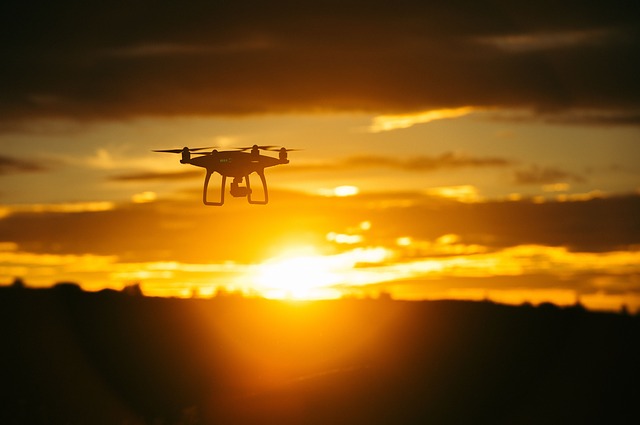
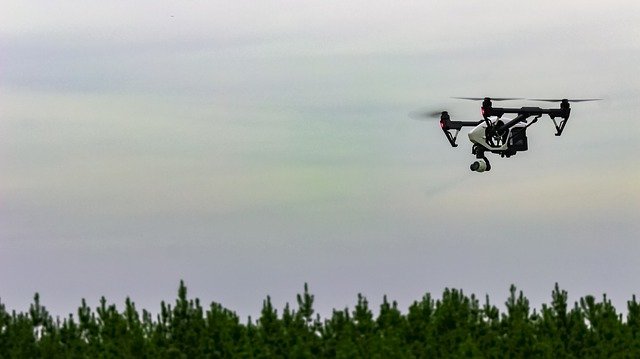
In the current era, drones largely encompass a broad scope of application areas, ranging from agriculture, public safety, delivery of goods, photography, and surveillance. As the need for unmanned drones continues to further rise, there is an urgent requirement of establishing a system for safely managing unmanned aerial vehicles (UAVs) in the airspace. Currently, NASA is actively partnering with FAA and other unmanned aircraft systems (UAS) industry stakeholders to develop a research platform what is commonly known as unmanned traffic management system for safe integration of small UAS (sUAS) into low-altitude airspace.

For Report Overview: https://bisresearch.com/industry-report/uas-traffic-management-market.html

Since 2014, NASA, along with UAS community partners, industry leaders, various governments, and academia are actively developing and testing the unmanned traffic management research platform. Many successful tests and demonstrations for communication prototypes, beyond visual line of sight (BVLOS) operations, mission planning, and longer range application only goes on to prove that in the near future, a commercialized market for unmanned traffic management is gradually emerging. This growing need for the UTM services has also resulted in development of regulatory framework for the deployment drones around the world. This regulatory framework is expected to include operational limits, key responsibilities of the stakeholders, aircraft requirements, etc. Government and regulatory authorities have made some exemptions in 2018 with regard to the operation of commercial UAVs that has been a driving factor in the UAV market growth. The U.S.-based Federal Aviation Administration (FAA) and Germany-based European Aviation Safety Agency (EASA) are two prominent regulatory authorities that are actively working towards creating more opportunities for the commercial drone business.

This market research study offers a wide perspective of the unmanned traffic management system, its major types, key important elements in the ecosystem including communication infrastructure, UAS service suppliers, UAS operators, key technologies for the unmanned traffic management system, global market for unmanned traffic management system, regulatory framework for unmanned traffic management, business opportunities for key stakeholders and UAM concepts. The study provides a detailed analysis of the market dynamics, applications and region-wise scenario of unmanned traffic management. The research is based on extensive primary interviews (in-house experts, industry leaders, and market players) and secondary research, along with the analytical tools that have been used to build the forecast and the predictive models.

Flight technology has changed the contours around the domain of aviation. Aviation is one of the most key innovations of mankind that has brought forth various kinds of modern technologies- from propulsion systems to artificial intelligence and modern communications- which have opened numerous windows of opportunities.

Obtain the Sample Report at: https://bisresearch.com/requestsample?id=670&type=download

The first unmanned aerial vehicle (UAV) was developed in the third decade of 20th century which was primarily used for military application. Ever since then, UAVs have evolved to a large extent in the technological sphere. In the past decade, UAVs have undergone significant developments such as considerable reduction in weight, size, and cost, enhanced battery life, and increased degree of autonomy in its operation. These developments have led to a wide scale of adoption for diverse range of applications across commercial and non-commercial end users.

Unmanned aerial vehicle (UAV) can be defined as an aircraft system that can be controlled using a remote or an on-board computer system. UAVs are a part of unmanned aerial system (UAS) that include a UAV, a controller on ground and a communication system between UAV and controller. The companies working in UAV industry are working towards the development of fully autonomous UAVs which will eliminate the need of a ground-based controller in future. This will enable the UAVs to perform the tasks assigned to them without the need of any human intervention. This will reduce the operating cost of UAVs and will make them one of the most cost-effective solutions across varied range of commercial applications.

In Space Manufacturing Servicing and Transportation Market Demand and Forecast Study 2030

In Space Manufacturing Servicing and Transportation Market

The space industry is in the process of constant evolution, with various technological developments that have enhanced the capabilities of space systems taking place in the industry. The industry has witnessed growth in satellite launches, particularly small satellites, and the availability of low-cost launch services due to the emergence of private players such as SpaceX and Rocket Lab over the past few years

The technological development and feasibility of on-orbit servicing, repair, inspection, and assembly have already been witnessed in the past decades ranging from Skylab’s launch, construction of the International Space Station (ISS), the Solar Maximum Mission, the Defense Advanced Research Projects Agency (DARPA) Orbital Express, Hubble Space Telescope repairs and upgrade missions, and early satellite recoveries. However, the ability to use such technologies to substantiate a commercial satellite service model still remains a work in progress.

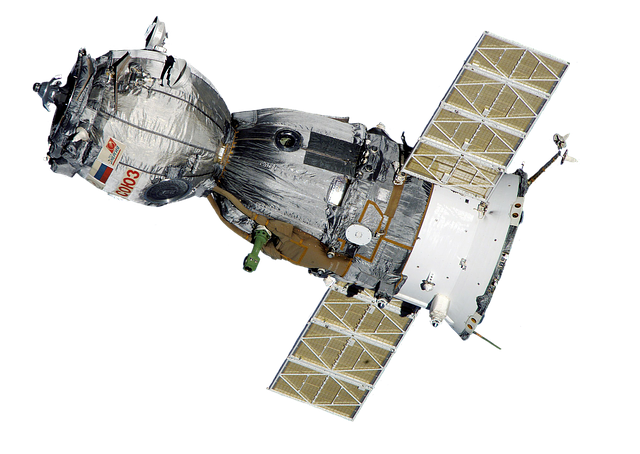
The key players in the in-space manufacturing, servicing, and transportation market, such as Astroscale, Airbus, Momentus Space, Northrop Grumman, and Made In Space, are all highly focused on developing on-orbit service capabilities. These companies are developing life extension vehicles such as the MEV-1 (developed by Northrop Grumman), robotic arms, and orbit transfer vehicles such as Vigoride by Momentus Space. Along with these commercial companies, national space agencies such as National Aeronautics and Space Administration (NASA) and European Space Agency (ESA) are also focusing on on-orbit service capabilities, through forming partnerships and contracts with emerging commercial space entities.

There are several factors that are contributing to the significant growth of in orbit manufacturing, servicing, and transportation market. Some of these factors include the focused efforts by emerging space companies to develop on-orbit space capabilities, the increasing efforts toward space debris removal, and increasing satellite launches. The on-orbit servicing of satellites has the potential to become a disruptive industry trend in the upcoming decades.

On-orbit satellite servicing is the technology that repairs, refurbish, and refuel satellite that has already been launched. The technology is a disrupting new avenue, wherein great technological transformation is expected to be witnessed in the space sector. The capability is an integral part to further space capabilities and the opportunity to an entirely new infrastructure for Earth observation, communications, space exploration, space travel, and habitats.

Obtain the Sample Report at: https://bisresearch.com/requestsample?id=1008&type=download

Most of the in-space manufacturing, servicing, and transportation providers have numerous tie-ups with various national space agencies and commercial space players. Innovation and development have been the key factors for large-scale growth in this market. To increase their overall global footprint, the in-space manufacturing, servicing, and transportation providers are expanding their businesses and are also entering strategic partnerships to increase their customer base.

Along with significant growth, the space industry has successfully launched various satellites for various applications such as earth observation, remote sensing, broadband internet coverage, and surveillance. The industry to moving toward developing space capabilities for the servicing of the satellites that have reached their end of life, the transfer of satellites to the desired orbit, as well as the demonstration of capabilities of in space manufacturing using 3D printing and other technologies.

Active Space Debris Removal Market Estimated to Experience a Hike in Growth by 2030

Active Space Debris Removal Market

With the first V-2 A4 rocket launched by Germany during the second World War II, the space industry has evolved drastically and had some significant advancements in this field. The space age began on 4th of October 1957 with the launch of Sputnik, the first artificial satellite launched by the Soviet Union into the elliptical Low Earth Orbit (LEO). Since then, there have been more debris in the orbits than the operational satellites. The space debris poses a global threat to all the satellites in the space irrespective of the orbit in which they are revolving, and only a globally supported solution can solve this rising concern.

For Report overview: https://bisresearch.com/industry-report/active-space-debris-removal-market.html

The orbital debris, as explained by NASA, is ‘space debris that encompasses both natural (meteoroid), and artificial (man-made) particles. Meteoroids are in orbit around the sun, while most artificial debris is in orbit around the Earth. Hence, the latter is commonly referred to as orbital debris.’ Due to technological limitations, the removal of meteoroids from space is restricted at least for the next 15 years. Since the orbital debris poses a greater threat to the satellites, the industry is currently concentrating on the removal of orbital debris to protect the space assets from freely moving, high-velocity particles and objects. 

The first awareness of the space debris problem was first brought by the research activities undertaken in the U.S. in the early 1960s, but it took some time to gain some traction from the international community. The first-ever international conference to address the space debris issue was organized by the International Astronautical Federation in the mid-1970s. The National Aeronautics and Space Administration (NASA) organized the first dedicated conference on space debris mitigation in 1982, followed by the workshop on the re-entry of space debris organized by the European Space Agency (ESA) in 1983. 

The growing trend for advanced technologies and sensors being used to avoid collisions with debris particles in space has led to the demand for the space debris removal market. Although the debris removal systems are not commercially viable to the manufacturers as of now, the need for such systems is expected to grow over the next ten years. The application of the debris removal market based on the debris size plays an important role. Small objects that are even a few centimeters in size can damage or destroy the spacecraft. Various companies are manufacturing space observation radars and sensors to measure the population of space debris regularly. The results obtained from the radars are then calibrated and validated to understand the space debris environment.

Obtain the Sample Report at: https://bisresearch.com/requestsample?id=1007&type=download

The current applications of space debris removal technologies are limited for demonstrations in the lower and medium earth orbits; however, it is anticipated to change over the coming years. Additionally, several companies such as D-Orbit, Tethers Unlimited, Inc. have been working actively to develop and manufacture products that can be used to de-orbit the satellites at the end of their useful life. Tethers Unlimited, Inc. company’s Terminator tape has been successfully tested for self-deorbiting of the satellites, and several satellite manufactures have already shown interest in installing the system in their spacecraft to reduce the burden of the increasing satellite debris issue. The terminator tape enables the satellite manufacturers to comply with the regulation of the Federal Communication Commission to self-deorbit the spacecraft after their useful life. The solution that is being currently suggested for the satellites in LEO is to capture the defunct debris particle and burn it during the re-entry phase in the Earth’s atmosphere. 

The focus of active space debris removal manufacturers in the ecosystem is toward developing advanced technologies to capture the debris particle safely and deorbit the satellite. The rise of safety concerns for satellites is driving the key players in the space debris removal industry to design and develop innovative solutions. This chapter of the report deals with the market size of the active space debris removal industry in different classifications such as removal techniques, mode of operation, and level of autonomy.

Next Generation Anode Materials Trends Estimates High Demand by 2030

Next Generation Anosde Materials

The demand for next-generation anode materials varies according to various geographical regions. The next-generation anode materials market hold a prominent share in various countries of North America, Asia-Pacific (APAC), and Europe. Asia-Pacific is currently the largest revenue generating region in the next-generation anode materials market. The next-generation anode materials market in Asia-Pacific is expected to grow at the fastest CAGR of 17.60% in terms of value during the forecast period (2019-2029) among all the regions. China is the highest revenue generating country in Asia-Pacific, followed by South Korea and Japan. Technological advancements, extensive investments for dedicated R&D facilities, and development of gigafactories of lithium-ion batteries are some of the major drivers that are propelling the growth of the market in the region. In 2018, China generated revenue of $327.1 million which is expected to reach $2.28 billion by 2029 growing at a CAGR of 19.43% from 2019 to 2029. Rising CO2 emissions in China and Japan have led to concerns from the countries’ governments across the globe. Various government initiatives have been undertaken to promote the adoption and manufacturing of electric vehicles, as they may help in the reduction of vehicular emissions and act as a potential substitute for the petrol and diesel engine-based cars. Additionally, concerted efforts by both the governments and manufacturing sector in promoting the usage of lithium-ion batteries have played a pivotal role in making this region the frontrunner in the field of next-generation anode materials market.

North America and Europe also hold a significant share in the global next-generation anode materials market. The U.S. generated revenue of $368.3 million in 2018, and the revenue generation is expected to reach $1.97 billion by 2029 at a CAGR of 16.55% from 2019 to 2029. The U.S. is the leading country in the electric vehicles battery market in the North American region. Factors such as rise in GDP of the economy, stringent fuel economy standards, and high growth in electric vehicle sales are expected to drive the market growth of next-generation anode materials in the country.

The competitive landscape of the next-generation anode materials market consists of different strategies undertaken by major players across the entire value chain to gain market presence. Some of the strategies adopted by next-generation anode material manufacturers are product launches, mergers and acquisitions, partnerships, and collaborations. Among all the strategies adopted, partnerships, collaborations, and contracts have dominated the competitive landscape. BTR New Energy Material Ltd., Enevate Corporation, NEXEON LTD., Sila Nanotechnologies Inc., and Talga Resources Ltd are some of the leading players in the global next-generation anode materials market.

The research study focuses on unleashing the innovations in anode electrode of lithium-ion battery and aims to put forward a clear picture of the current consumption and future growth potential of different next-generation anode materials. The current technology revolves around the usage of graphite as an anode material. However, this chemistry, though found in abundance, is not sufficient to cater to the rising demand for high energy storage by end-user applications in the industry. A battery must be able to sustain high power and resistance, have long shelf life and durability, and other such benefits. Some of the next-generation anode materials that can offer the aforementioned advantages to certain extent are silicon/silicon oxide blend, silicon-graphene, silicon-carbon composite, and Lithium titanium oxide (LTO). Currently, these materials are not produced at a scale similar to the traditional graphite-based anode materials as they are still in the development stage. More than 500 patents have been filed/granted between 2014 and 2018 and validate the extensive research and development activity for these materials. Besides, partnerships and collaborations on an industry level are highly witnessed between the key players to bring improvements in their next-generation anode material products.

For Sample Report, click here: https://bisresearch.com/requestsample?id=1000&type=download

However, currently, no single technology of these anode chemistries wins along the dimensions of being energy efficient, risk free, and cost effective, all at the same time. Choosing a technology that optimizes performance along all dimensions mainly depends on their individual application areas. For instance, LTO technology is a high-performance option with a good life span and can be used for high application areas such as electric buses, construction vehicles, and power tools, whereas silicon/silicon oxide blend technology possesses high energy density but faces issues with its volume expansion, which thereby limits its commercialization on a large scale.

Military GNSS Anti Jamming Systems Market Growth Trends, New Opportunity and Forecast 2025

Military GNSS Anti Jamming Systems

Over the last decade, the defense industry has been witnessing a massive transformation owing to the increasing development of technologies in the field of electronic warfare, communications, jamming & anti-jamming systems, artificial intelligence (AI), Internet of Things (IoT), and machine learning (ML). The increased need for resilient positioning, navigation, and timing (PNT) solution is necessary to provide GNSS signals to military platforms. The market of military GNSS anti-jamming system is undergoing a major transformation with deployment of next generation navigation satellites such as GPS III, which create huge demand potential for requirement of M-Code compatible anti-jamming systems. Additionally, miniaturization of antenna technology is boosting the integration on smaller platforms such as unmanned aerial vehicles.

The market research study offers a wide perspective on the different components, element numbers, and platforms pertaining to the Military GNSS Anti-Jamming systems market and analyzes its impact on different regions by providing critical insights into the direction of its future expansion. The research is based on extensive primary interviews (in-house experts, market players and industry leaders) and secondary research (a host of paid and unpaid databases), along with the analytical tools that have been used to build the forecast models.

There has been a significant rise in the jamming and interference activities among hostile nations, which results in a growing interest and escalating demand for integration of GNSS anti-jamming systems with different military platforms such as airborne, ground, naval and munitions across the globe. Due to increasing military budget inflows across the globe and growing conflicts among various countries, the demand for more robust positioning, navigation, and timing (PNT) solution and electronic warfare protection systems such as GNSS anti-jamming systems are in substantial demand. The Military GNSS Anti-Jamming systems are developed with the aim of countering the growing jamming and interference threat for combat aircrafts, unmanned aerial vehicles, main battle tanks, infantry fighting vehicles, frigates, corvettes, submarines and precision guided munitions among other platforms. Key advantages of military GNSS anti-jamming systems is the availability of robust GNSS signals for positioning, navigation, and timing solutions for military platforms.

For Sample Report, Click here: https://bisresearch.com/requestsample?id=922&type=download

The major driving forces behind the growth of the Military GNSS Anti-Jamming systems market are growing threat of GNSS signal jamming activities, deployment of unmanned systems in large volumes, increased expenditure on next generation satellite programs and miniaturization of communication systems such as antennas. Moreover, upgradation and development programs of defense platforms are largely attributed to the increase in demand for Military GNSS Anti-Jamming systems and associated investments.

The global military GNSS anti-jamming systems market is expected to witness a significant growth during the forecast period 2020-2025 owing to the rise in integration of military GNSS anti-jamming systems on different platforms like ground defense systems (main battle tank, infantry fighting vehicles, and multi-purpose armored vehicles), airborne (unmanned aerial vehicles and combat aircraft), precision guided munitions and ship-based platforms. Additionally, on expectation of decline in cost and miniaturization will drive the deployment and integration of military GNSS anti-jamming systems.

More Electric Aircraft Market To Observe Exponential Growth By 2020-2025

More Electric Aircraft market

Strategies employed to enhance more electric aircraft market have been varying from product launch, acquisitions, partnerships, agreements, and contracts. This segment provides comprehensive insights regarding several development activities that the key players in the industry are adopting to compete directly. To lead the market as well as engage in the process of overall market growth, a company needs to introduce new products to the market, improve the existing products’ framework, work in collaboration with the top market leaders or win new contracts, and acquire the relatively weaker companies into its stronghold.

The more electric aircraft has been one of the focused areas in the aviation industry. On the basis of system, the more electric aircraft is segmented into power generation, power distribution, power conversion, and energy storage. In an MEA, onboard electrical power systems (EPSs) have become crucial for flight operations and safety, as they need to generate, distribute, and employ increasing amounts of electrical power.

The more electric aircraft has paved the way to enhance various applications, which include power generation management, passenger comfort, air pressurization and conditioning, configuration management, and flight controls and operations. With the aircraft operators focusing on providing enhanced passenger experience, the development of more electric aircraft will provide electrical energy for avionics equipment such as navigation and flight control, cabin systems such as lights, galleys, and in-flight entertainment, and pumps, among others.

The outbreak of the coronavirus has created huge impact on the various aircraft manufacturers as well as the aircraft system manufacturers and providers. The pandemic has caused a steep fall in the air traffic, hence the companies in the aviation sector have faced tremendous decline in their businesses as well as delay in their supply chain. For instance, Safran encountered a slight decrease in propulsion segment due to a decline in the deliveries of LEAP-1B engines. In addition to this, the production planned for CFM56 engines has also come down. Moreover, not only Safran faced decline in its business operations but other more electric aircraft system manufacturers and providers have witnessed the decline in their business operations due to the pandemic.

In addition to this, the pandemic has caused travel ban across the globe, hence having a huge impact on the air traffic as well as aircraft being on ground. Air travel has been impacted the worst due COVID-19, with numerous countries imposing travel bans on international passenger flights. Moreover, if travel restrictions will be relaxed, it would take a while for international travel to return back to the levels witnessed in recent years, as there are uncertainties regarding the timing of availability of vaccines for the novel coronavirus. This has also resulted in the decrease of aircraft orders and major aircraft manufacturers such as Boeing and Airbus have not registered any new orders as of May 2020. In addition to this, aircraft components and aftermarket businesses, both are anticipated to decline in the near future.

For Sample Report, Click here: https://bisresearch.com/requestsample?id=941&type=download

The development of more electric aircraft, as well as the move toward all-electric aircraft, highly depends on power generation management, wherein engine and generator management, and fuel supply play a vital role. For on-board power generation, the main aircraft engine is usually the prime mover, wherein the speed varies across a wide range, from inactive to full power. Hence, the main aircraft engine variable speed signifies the main challenge in the adoption of the three-stage wound-field synchronous generator.

In particular, MEA programs are focused on enhancing reliability, fault-tolerant capability, and power quality of existing MEA systems, to reduce both fuel consumption and weight of aircraft secondary power systems. The transition to a more electric architecture, the adoption of energy-efficient engines, and the intensive use of lightweight composite materials have attributed to a considerable reduction of the B787’s operating cost with respect to its predecessor B767-300/ER.

Surface Treatment Chemicals Market to Witness Stunning Growth 2020-2025

Surface Treatment Chemicals Market

The market for surface treatment chemicals has been emerging in the modern world over the years, with considerable contribution in the global gross domestic product (GDP). The growing adoption has been witnessed primarily in the end-use industries such as automotive, general industry (construction, electronics, medical, and packaging, among others), aerospace, heavy industries, and coil industry. The growing adoption can be attributed to the increased durability, longevity, aesthetics, corrosion, and weathering resistance characteristics imparted by these chemicals to the base materials over which they are applied.

To cater to the increasing demand, there have been formations of associations, consortiums, collaborations, partnerships, and various other forms of business and corporate strategies between the market players across the industry domains. For instance, Solvay partnered with Honda Aircraft Company for supplying innovative composites and adhesives such as CYCOM 5276-1 prepreg and SURFACEMASTER 905, which is a surfacing film that provides protection against lightning strikes, to Honda’s business jet HA-420. Moreover, BASF SE has been recognized as a supplier for surface treatment solutions to General Motors.

The inter-disciplinary industrial harmony has also been playing a significant role in combating the pandemic COVID-19, through the development of new products, which require surface treatment and are implied for executing the coronavirus. For instance, Solvay partnered with Boeing for supplying high-performance and medical grade transparent films to Boeing (which has been producing face-shields for the hospitals and medical staffs in the U.S., for their protection against this infectious disease). Although end-use industries have been facing difficulties in businesses due to the COVID-19 outbreak, which has impacted the global adoption of surface treatment, the industries are expected to witness fast recovery after the lifting of global lockdowns and resumption of economic activities. This is expected to drive back the growth of the global market to its pre-COVID era in a quick span of time.

The research study comprises the market segmentation based on the type (type of surface treatment chemicals and type of surfaces/base materials over which these treatments are applied), different end-use industries and regions, consisting of detailed country-level analyses of the market scenario and its expected growth during the forecast period.

For Sample Report, Click here: https://bisresearch.com/requestsample?id=980&type=download

The adoption for surface treatment chemicals is prone to various driving and restraining factors. The rising demand for these chemicals from end-use industries, good business relations between the market players across the disciplines, as well as increasing industrialization and urbanization in developing countries, such as China and India, have been driving the market for surface treatments in the present scenario.

However, the severe impact of COVID-19 on end-use industries, especially automobile, aerospace and real estate businesses is acting as an obstacle for the market growth of surface treatments. Also, the implementation of strict environmental norms, such as Restriction of Hazardous Substances (RoHS), and emergence of new agencies, such as Environmental Protection Agency (EPA) and Registration, Evaluation, Authorization and restriction of Chemicals (REACH) for keeping a check on the harmful chromium contents by surface treatment chemicals, have made manufacturers vigilant on this front. This is restricting the free-flow of surface treatment products into the market.

ROS based Robot Market Application,Important Companies With Growth Drivers By 2024

ROS based Robot

Robot Operating System (ROS) is a collection of tools, conventions, and libraries that simplifies the task of creating robust and complex robot behavior across diverse robotic platforms. Thus, it is a flexible framework which enables a user to write robotic software. Problems in the robotic industry are so diverse that no single individual, institution, or laboratory can hope to solve these problems on their own. Hence, ROS has been built to encourage collaborative robotics software development. For instance, one laboratory might have experts on mapping indoor environments, while another laboratory might have experts in using these maps for navigation. Groups like these can use ROS to collaborate and build on each other’s work. This chapter introduces the concept, and various components of ROS.

Robots are the machines which automate the tasks that are usually carried out by humans. Initially, there were very few robots that were introduced into the manufacturing sector for performing some of the repetitive manufacturing operations. Gradually, other industries realized its potential across various applications that help the humans to save time and energy. In the mid of 20th century, there was a rapid surge in the demand of production and the industrial revolution was at its peak. Lack of labor forced industries to employ machines to perform tedious and repetitive jobs which could be performed with present instructions and negligible human interactions. The requirement of such machines led to the invention and popularization of numerically controlled devices.

The integrated circuits were developed and popularized around 1958, which led to a substantial reduction in the size of electronic devices. With the help of electronic circuitry, the first phase of industrial robots was created. These robots were simple in architecture and could only perform limited operations such as pick and drop, later on, the programmers successfully executed complex programming and robots with advanced capabilities were created. These robots could perform tasks, such as welding, assembly, grinding, and deburring. However, the emergence of artificial intelligence into robots has revolutionized the robotics industry. Robots are now able to work along with human beings and have decision making capabilities. In addition, a massive benefits of robots have paved way for their entrance in various industries including banking, healthcare, retail and restaurants, among others. These types of robots come under the category of service robots.

ROS acts as a middleware in robotics helping in the development of robotic application with the help of software libraries and tools present in itself. It helps in simplifying the task of creating robust and complex robot behavior across diverse robotic platforms. It is a flexible framework that allows the developer to develop robotic applications. ROS-enabled robots have opened up a new dimension of automation across multiple industries. Most importantly, the technology is gaining traction among established as well as new players because of the platform being open source. ROS-enabled robots share workspace with humans, augmenting their capabilities and capacities. The technology proves to be a boon to the small and medium enterprises as it helps them to scale up easily with less man power.

For Sample Report, Click here: https://bisresearch.com/requestsample?id=719&type=download

Automated machines are complex systems with a high level of interdependencies among various components. This complexity sets the demand for a software framework such as ROS which is a middleware and helps the robot to carry out its intended function. Modern manufacturing and material flows are being handled automatically, to free human beings of dirty, dull, or dangerous (3Ds) jobs. Introducing automation also reduces variability in a product and robots with ROS can cut manufacturing costs by installing cost-effective machines that are automated.

The strategies employed to gain a significant market share in this growing industry have been varying from product launches to acquisitions to partnerships. This segment provides comprehensive insights regarding the different market development activities that the key players in the industry are adopting in order to compete directly with each other. In order to lead the market as well as engage in the process of the overall market growth, a company needs to introduce new products and services to the market, improve the existing products’ framework, work in collaboration with the top market leaders, or acquire relatively weaker companies into its domain.

Autonomous Drone Wireless Charging and Infrastructure Market Development and Opportunities with Forecast 2024

Autonomous Drone Wireless Charging and Infrastructure Market

The autonomous drone wireless charging and infrastructure market is expected to witness a significant growth in the forecast period 2019-2024, primarily due to the low battery efficiency for drones being used in the commercial sector. The scope of study majorly focuses on the wireless drone charging system in which drones can recharge battery automatically. The drones are majorly used for several commercial applications and military operations in which they have to travel large distances with heavy payload. This results in frequent drain out of drone batteries, which need to be recharged for providing the uninterrupted services. This can be achieved with the help of autonomous drone wireless charging pads that are placed in the specified route of the drone for recharging their battery.

Wireless charging as a concept was first introduced more than 130 years ago. Moreover, the wireless power transmission concept was first developed by Nikola Tesla, a Serbian-American engineer and physicist, between 1888 and 1906. In the 19th century, Tesla devised a system to demonstrate wireless power transmission. Further, most of the wireless power transmission technologies have been based on Michael Faraday theory of electromagnetic induction. According to this theory, any change in the magnetic field of a coil of wire result in an electromotive force to be induced in the coil. In wireless power transmission, one coil which is connected with power supply produces varying magnetic flux. The magnetic field resulting in one coil produces current in another coil placed nearby. Prior to several technological advancements, wireless charging technology is presently gaining widespread prominence among consumer electronic goods such as smartphones, electric toothbrush, wearable devices, and kitchen appliances.

The concept of wireless charging is to eliminate the use of wire and plug-in procedure for charging a device. This concept is quite beneficial in the drone industry to promote the level of autonomy in the drones. In this concept, the drones, which have a built-in receiver, automatically land on a wireless charging pad that acts as transmitter. Due to electromagnetic induction, the charging of drone can start automatically without the requirement of manual intervention. This concept is quite beneficial for beyond visual line of sight (BVLOS) operations, when the drone is far away from the ground station and operator. The wireless charging pad can be placed in between the flight routes of drones where drones can recharge its battery to continue its flight operations.

In visual line of sight (VLOS), the operating range for drones is less than 1 km, while the drones goes beyond the 1 km-range, it enters into the BVLOS range. For operating drones in the BVLOS range, there are various restrictions imposed by the aviation department in various countries. Each country has its own set of rules for drone operations. For instance, Federal Aviation Administration (FAA) is the regulatory body for American Civil Aviation. The authority creates regulations for the use of drones in commercial applications.

For Sample Report, Click here: https://bisresearch.com/requestsample?id=798&type=download

For operating drones in BVLOS for commercial applications, there are certain technological challenges, which can be faced by an operator. Low battery power backup acts as major primary challenge in BVLOS operations. It becomes impossible for an operator to replace or recharge the batteries, if the drone is far from the operator.

Drones operating in BVLOS range have to travel long distances, due to which they require adequate electrical power supply. In drones, the electrical power is provided by rechargeable battery installed in the drones. It becomes difficult for drones to carry a large number of extra batteries during operations, as it increases the weight of the drone. Furthermore, due to the distinct remoteness between a flying drone and the ground station, there arises a need for a solution that can enable an autonomous drone to automatically recharge its battery. It can be achieved with the development of intermediary landing platforms in which the autonomous drone’s battery can be charged. Developing intermediary landing platforms enable the drones to take long flights. At this intermediary platform, an advanced wireless charging system is used due to its low maintenance and higher safety. In this system, multiple power transmitter systems that make use of resonance inductive coupling-based wireless power transmission technique are used.

UV and Blue Light Blocking Coatings Market Revolutionary Opportunities 2025

UV and Blue Light Blocking Coatings Market

The trends of the blue light and U.V. light blocking coatings market vary with different geographical regions. The market holds a prominent share in various countries of North America, Europe, China, Asia-Pacific & Japan (APAC), Middle East and Africa, and South America. The report also provides a country-based analysis for all the leading countries in every region, including the U.S., China, Japan, Italy, Germany, and France, among others. Each geographical region analysis details the individual push-and-pull force, in addition to the key players and applications in that particular region.

Innovative designing coupled with a wide variety of technological advancements and intensive research to minimize reflectance in consumer goods such as smartphones, laptops, television screens, and optical lenses, among others is propelling the demand for U.V. light and blue light blocking coatings. Different companies are actively adopting U.V. and blue light blocking coatings to manufacture end-user products with the help of suitable materials and technology. The usage of U.V. and blue light blocking coatings in consumer goods industries not only blocks harmful radiations but also aids in the better performance of the product. For instance, in case of optical devices, the application of this coating helps in reducing strain on eyes thereby improving vision of the of the wearer. Adoption of both U.V. and blue light blocking coating is gradually increasing due to rising awareness among consumers, and ongoing research and development in different industry verticals.

The region is a dynamic market for U.V. and blue light blocking coatings, which is considerably expanding owing to the high growth rate in countries such as India, Taiwan, and Japan, among others. Product designs and quality for various end user industries such as automotive, consumer goods, building and construction, and steel, among others are being taken to higher levels of sophistication with the help of these coatings. The rapid industrialization along with the extensive adoption of U.V. and blue light blocking coatings has led to the availability of low-cost manufacturing structure. The region consists of multiple small and medium businesses (SMBs), which are transitioning to make innovative changes to achieve optimal efficiency and enhance their product quality. The Asian Paints Industry Council (APIC) is a government organization that monitors the paints and coatings business of Asia-Pacific region which includes countries such as India, Japan, Taiwan, Thailand, and South Korea, among others. APIC represents the region on a global level to World Coatings Council (WCC) and addresses the coatings industry on key international issues. APIC also showed interest in developing alternate methods for manufacturing ultraviolet light blocking coatings for commercial uses in order to reduce the VOC content emitted while production. The potential growth in the APAC region is supported by a large industrial base, extensive research and development in countries such as Japan, South Korea and Taiwan has caused the rapid growth in this field.

For Sample Report, Click here: https://bisresearch.com/requestsample?id=919&type=download

Vacuum deposition coating is used for a wide variety of applications in automotive, consumer goods, and building and construction industry. The vacuum deposition coating process deposits a thin layer of coating on the surface of products by condensation method, which helps in increasing the wear and corrosion resistance of the coatings applied as compared to conventional coating methods. Techniques such as sputtering, electron beam, ion plating, and arc deposition, are used for the deposition of these coatings on the glass surfaces.

The consumer goods application is estimated to be the largest application segment in terms of volume. The demand for U.V. and blue light blocking coatings is mainly attributed to the increasing production of displays and lenses which are used in manufacturing consumer goods, such as smartphones, television, monitors, wearables, and tablets, among others. Wearables, which include smartwatches and lenses, are estimated to be growing at highest rate among consumer goods. The increasing market penetration of blue light blocking lenses, owing to their property to reduce excessive sunlight and regulating the melatonin level, has increased the consumption of blue light blocking coatings in the lens application.

Design a site like this with WordPress.com
Get started