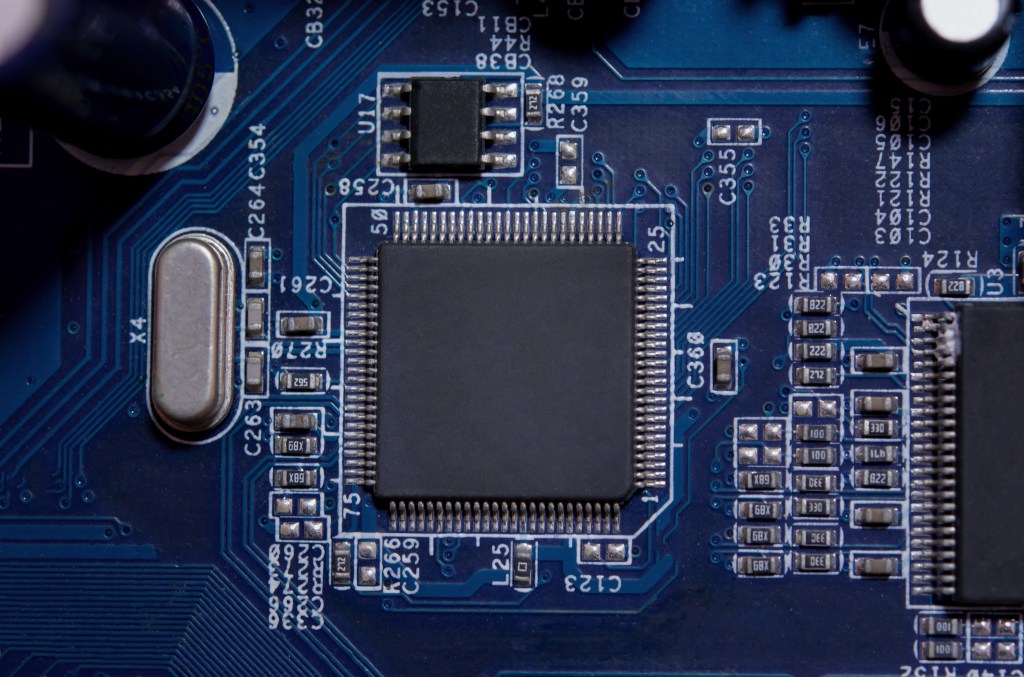
The low temperature co-fired ceramics (LTCC) market is one of the emerging markets in the modern world, with a considerable contribution to the global gross domestic product (GDP). Industry developments are inclined toward integration with the Internet of Things (IoT), 5G, and big data over convention operating systems, which is propelling the demand for electronics in different industry segments. The LTCC technology’s growing adoption has been witnessed primarily for applications in consumer electronics, automobile electronics, aerospace and military, and other sectors. For instance, American Technical Ceramics Corp. supplies the military-approved porcelain and ceramic multilayer capacitors, a high frequency fixed ceramic chip capacitors developed through LTCC technology. In microelectronics, DuPont LTCC tapes are utilized for developing complex ceramic structures for energy conversion systems, such as hydrogen fuel cells. In October 2020, Adamant Namiki Precision Jewel Co., Ltd. developed the world’s first hollow structure LTCC. The structure provides higher design flexibility.
Report Overview is available at: https://bisresearch.com/industry-report/global-low-temperature-co-fired-ceramics-market.html
China is expected to dominate the LTCC market during the forecast period 2021-2031. This can be attributed to the high adoption of LTCC in the country toward various consumer electronics, such as smartphones, laptops, televisions, and military electronics.
The global LTCC market is driven by several factors. For instance, the increasing miniaturization of electronics with increasing demand for LEDs have been the driving factors for LTCC’s adoption in the consumer, military, and aerospace sectors. Also, the use of various sensors in different parts of automobiles operating at high temperatures is leading to increasing demand for LTCC. The increasing usage of LTCC technology toward the microelectronics mechanical sensors (MEMS) sectors has also been driving the adoption of low temperature co-fired ceramics (LTCC). The telecommunications industry is also adopting LTCC for wireless devices and base stations as it offers low transmission loss. Increasing 5G infrastructure is also anticipated to be one of the driving factors for LTCC-based products during the forecast period. However, the technology is associated with some technical challenges and restraints which have been hampering the adoption to a certain level. Issues such as lower thermal conductivity of LTCC and cost competitiveness at the large scale have been restricting the adoption of LTCC globally.
The growth in the global LTCC market is attributable to the high adoption of the technology by consumers as well as automobile and military sectors. The LTCC market has been segmented into type, application, and region. This research also analyzes the adoption of LTCC in different regions and countries and comparative analysis of alternatives available. The benefits offered by the LTCC have been head turners for the global electronics sector. As a result, existing and new market players have been entering this business and have adopted the technology toward the manufacturing of multilayer circuits. However, the associated high initial costs and involved R&D has been a key challenge for the new entrants.
For Sample Report, Click here: https://bisresearch.com/requestsample?id=1224&type=download
The low temperature co-fired ceramics market has been segmented by applications namely automotive electronics, consumer electronics, aerospace and military electronics, and others. Automotive electronics is currently dominating the Low Temperature Co-Fired Ceramics market, which is also expected to dominate the market in coming years. The growing adoption has been witnessed primarily in the automobile electronics due to the incorporation of sensors at various parts of the vehicles, such as engines, power transmissions, and hydraulic braking units. These sensors are always exposed to high temperatures and harsh operating conditions, which leads to their performance degradation, when used over a prolonged period of time. Thus, this necessitates the adoption of LTCC technology for this sector.
 UPCOMING INDUSTRY TRENDS