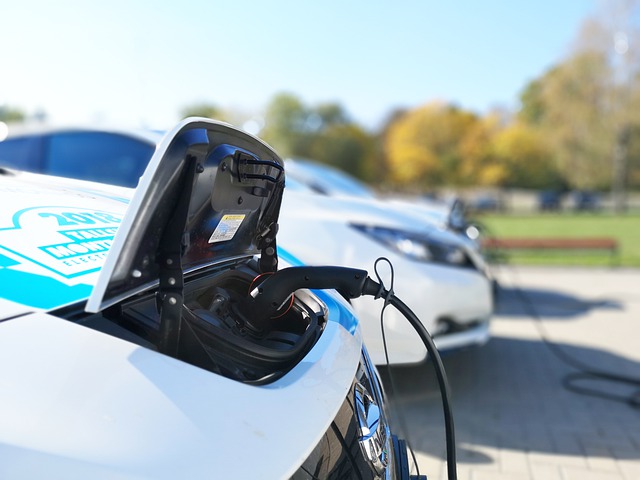
The demand for next-generation anode materials varies according to various geographical regions. The next-generation anode materials market hold a prominent share in various countries of North America, Asia-Pacific (APAC), and Europe. Asia-Pacific is currently the largest revenue generating region in the next-generation anode materials market. The next-generation anode materials market in Asia-Pacific is expected to grow at the fastest CAGR of 17.60% in terms of value during the forecast period (2019-2029) among all the regions. China is the highest revenue generating country in Asia-Pacific, followed by South Korea and Japan. Technological advancements, extensive investments for dedicated R&D facilities, and development of gigafactories of lithium-ion batteries are some of the major drivers that are propelling the growth of the market in the region. In 2018, China generated revenue of $327.1 million which is expected to reach $2.28 billion by 2029 growing at a CAGR of 19.43% from 2019 to 2029. Rising CO2 emissions in China and Japan have led to concerns from the countries’ governments across the globe. Various government initiatives have been undertaken to promote the adoption and manufacturing of electric vehicles, as they may help in the reduction of vehicular emissions and act as a potential substitute for the petrol and diesel engine-based cars. Additionally, concerted efforts by both the governments and manufacturing sector in promoting the usage of lithium-ion batteries have played a pivotal role in making this region the frontrunner in the field of next-generation anode materials market.
North America and Europe also hold a significant share in the global next-generation anode materials market. The U.S. generated revenue of $368.3 million in 2018, and the revenue generation is expected to reach $1.97 billion by 2029 at a CAGR of 16.55% from 2019 to 2029. The U.S. is the leading country in the electric vehicles battery market in the North American region. Factors such as rise in GDP of the economy, stringent fuel economy standards, and high growth in electric vehicle sales are expected to drive the market growth of next-generation anode materials in the country.
The competitive landscape of the next-generation anode materials market consists of different strategies undertaken by major players across the entire value chain to gain market presence. Some of the strategies adopted by next-generation anode material manufacturers are product launches, mergers and acquisitions, partnerships, and collaborations. Among all the strategies adopted, partnerships, collaborations, and contracts have dominated the competitive landscape. BTR New Energy Material Ltd., Enevate Corporation, NEXEON LTD., Sila Nanotechnologies Inc., and Talga Resources Ltd are some of the leading players in the global next-generation anode materials market.
The research study focuses on unleashing the innovations in anode electrode of lithium-ion battery and aims to put forward a clear picture of the current consumption and future growth potential of different next-generation anode materials. The current technology revolves around the usage of graphite as an anode material. However, this chemistry, though found in abundance, is not sufficient to cater to the rising demand for high energy storage by end-user applications in the industry. A battery must be able to sustain high power and resistance, have long shelf life and durability, and other such benefits. Some of the next-generation anode materials that can offer the aforementioned advantages to certain extent are silicon/silicon oxide blend, silicon-graphene, silicon-carbon composite, and Lithium titanium oxide (LTO). Currently, these materials are not produced at a scale similar to the traditional graphite-based anode materials as they are still in the development stage. More than 500 patents have been filed/granted between 2014 and 2018 and validate the extensive research and development activity for these materials. Besides, partnerships and collaborations on an industry level are highly witnessed between the key players to bring improvements in their next-generation anode material products.
For Sample Report, click here: https://bisresearch.com/requestsample?id=1000&type=download
However, currently, no single technology of these anode chemistries wins along the dimensions of being energy efficient, risk free, and cost effective, all at the same time. Choosing a technology that optimizes performance along all dimensions mainly depends on their individual application areas. For instance, LTO technology is a high-performance option with a good life span and can be used for high application areas such as electric buses, construction vehicles, and power tools, whereas silicon/silicon oxide blend technology possesses high energy density but faces issues with its volume expansion, which thereby limits its commercialization on a large scale.
 UPCOMING INDUSTRY TRENDS