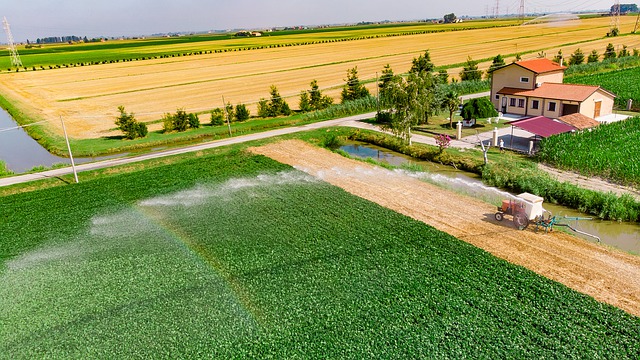
In the agriculture industry, crops usually require a high amount of water for irrigation and this is increasingly becoming an important concern for growers across the globe. Increasing population and drought conditions across the globe have put water under a critical category which has led to new approaches being followed for saving water. The demand for smart irrigation controllers in the agriculture industry is growing due to the increasing demand for food quality across the globe, initiatives taken by various governments for water conservation, and increasing rebates and subsidies.
The demand for fresh water for irrigation purposes in the agriculture land has been rapidly increasing. To meet this demand, optimal and reduced use of resources is achieved through the use of irrigation controllers, sensors and remote operations. Usually, the agriculture industry faces several risks which include rainfall forecasts, inadequate irrigation and ambiguities in the harvesting methods, affecting the overall productivity. The use of smart irrigation systems will help farmers in overcoming these risks. With the help of advanced technologies, users can get real-time and accurate data about their fields and on the basis of which, important decisions about the irrigation and harvest can be made.
The research methodology design adopted for this specific study includes a combination of data collected from primary and secondary researches. Both the primary sources (in-house experts, industry leaders, market players, and independent consultants) and the secondary (a host of paid and unpaid databases) sources have been used along with analytical tools to build the forecast and predictive modes.
With a considerable increase in the global population, declining agricultural lands, and depletion of natural resources, the need to enhance farm yield has become critical. Limited availability of natural resources such as fresh water and arable land, along with sluggish rate of yield in several staple crops, have further aggravated the issue. Another concern plaguing the agriculture industry is the shifting structure of agricultural workforce toward the non-agriculture or service industry. As a result of the declining agricultural workforce, adoption of internet connectivity solutions, smart technologies in agricultural practices has increased.
Obtain the Sample Report at: https://bisresearch.com/requestsample?id=804&type=download
To meet the growing demand of the agricultural produce from the limited farmlands and labor, established agriculture machinery developers and technology vendors are introducing innovative solutions in the agricultural arena. These solutions are focused on helping farmers close the supply-demand gap by ensuring high yields, profitability, and protection of the environment. The approach of using smart technology to ensure optimum application of water to achieve high crop yields and reduce operational costs is called smart irrigation. Smart irrigation controllers are being used in the residential and commercial industry since 2000. Smart irrigation controllers reduce the outdoor water usage by monitoring and controlling the information about the site and then applying the required amount of water. Smart irrigation controllers are a new generation of irrigation controllers which use the weather conditions, current and historic evapotranspiration, soil moisture levels, and other factors to meet the water demand with regard to plants.
 UPCOMING INDUSTRY TRENDS