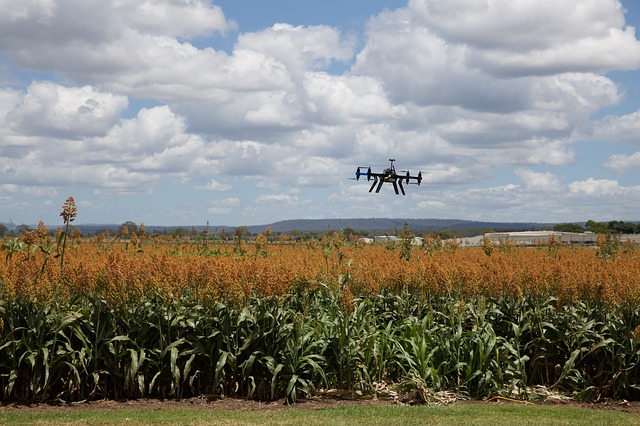
The precision agriculture market encompasses a wide array of technologies such as guidance technology, sensing technologies, variable rate application technology, and data analytics and intelligence. These technologies are considered component-level technologies which are put together in different combinations by existing players to offer advanced solutions, such as robots and drones. Guidance technology is one of the most mature agriculture technologies which has a wide adoption rate specifically across the growers of North America, Europe, and Oceania. The sensing technology plays a pivotal role in enabling the entire agriculture technology ecosystem to function. The presence of sensing technologies helps other agriculture technologies function, as it feeds those technologies with data. Although the guidance technology has experienced market maturity, sensing technology amongst other emerging technologies are witnessing high amount of investments in product innovations. Technologies including remote sensing, aerial imagery, and soil sensing are some of the core components of sensing technologies, upon whom the reported growth for this segment is attributed.
Report Preview: https://bisresearch.com/industry-report/precision-agriculture-market.html
To address the escalating demand for food from the limited farmlands and labor, established agriculture machinery developers and technology vendors are introducing innovative solutions in the farming arena. These solutions are focused on helping farmers to fill the supply-demand gap, by ensuring high yield, increased profit, and protection of the environment. The approach of using information technology (IT) to ensure optimum utilization of resources in order to achieve high crop yields and reduced operational costs is called precision agriculture. Precision agriculture technologies comprise specialized equipment, software, and IT services.
High growth in the market is expected to be driven by the need to effectively apply site-specific farming solutions to manage raw materials and resources, as per requirements. The deployment of automation, along with control and sensing systems, to steer the application of agricultural inputs is expected to augment the growth of the market. Precision agriculture is also expected to reduce the ecological footprint of daily farming. In emerging countries, growth is expected to be driven by rising awareness among governments of different countries about the need to elevate farm produce while taking care of the environment. Furthermore, rising concerns over global food security and sustainability have led to extensive investments by the government in terms of initiatives and trade policies.
Moreover, the rapid market penetration of the Internet of Things (IoT) technology in farming practices has led to the enhancement of agricultural productivity by minimizing manual labor and providing an efficient platform for proper data management of production inputs. The widespread implementation of cloud-based software systems has fuelled the market for precision agriculture by reducing the risk and increasing overall production capacities.
Farm produce in the agriculture industry incorporates a wide variety including field crops, permanent crops, and others. The demand for all kinds of farm produce is on rise, due to the macro-level demand for higher global food production and rising urban population. Thus, different agricultural technologies are intended to be introduced in the market which could handle a large groups of farm produce. Companies and universities have had their preference for a specific type of produce for different precision agriculture technologies due to ease of operation, need for high end farm machinery, and vested interest of funding parties, among others.
For Sample Report, Click here: https://bisresearch.com/requestsample?id=917&type=download
The trend of precision farming is prevalent in not only developed countries but also developing countries. In countries such as China and India, large-scale deployments of smartphones and Internet of Things systems have led to the rapid adoption of precision agriculture solutions. Governments of several countries have realized the need for and advantages of these technologies. Thus, their initiatives to promote precision farming techniques are expected to drive the growth in the market. The adoption rate of precision agriculture technologies is impacted by many factors such as farm size, farmers age, features of equipment, characteristics of the technology, and legal affairs.
 UPCOMING INDUSTRY TRENDS