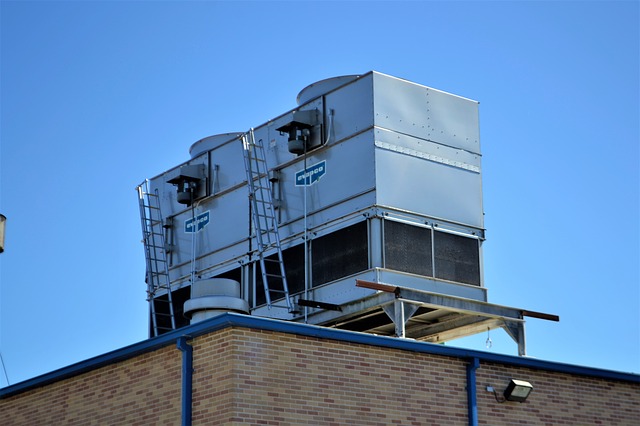
The energy management industry has witnessed a massive transformation over the past five years, owing to the increasing demand for HVAC systems in the commercial, residential, and industrial sectors. Although the industry was previously driven by resources, it is now majorly driven by technology and innovation. Rising population and energy demand, along with the increase in greenhouse gas emission, has resulted in the growing concerns to enhance energy efficiency and energy conservation.
Read Report Preview: https://bisresearch.com/industry-report/australia-new-zealand-hvac-market
With the rapid implementation of energy management systems, the commercial, industrial, and residential end-users are able to conserve energy with the help of functions of energy management systems such as heating, ventilation, and air conditioning (HVAC) and lighting systems. The demand for HVAC products across the ANZ region is expected to remain high from the commercial, residential, and industrial sectors.
The demand for HVAC products in ANZ is majorly driven by the increasing population and the rising number of residential and commercial projects in the region. Several initiatives are undertaken by the local government, and emerging trends of green/smart buildings are forcing HVAC manufacturers and suppliers to launch energy-efficient and technologically advanced HVAC units for commercial, residential, institutional, and industrial sectors. Many leading global companies dealing with HVAC products are expanding their business across Australia and New Zealand, by increasing their distribution outlets across the region and launching products which are specifically designed as per the local environment.
The rising incorporation of HVAC systems in plenty of end-use applications such as the building sector across Australia and New Zealand has affected the industry dynamics in both the countries. During the transition from orthodox industrial practices to the new manufacturing processes, it was realized that industries lacked the innovation to control temperatures during extreme climate change. Ultimately, this paved the path for the widespread adoption of HVAC systems in application areas such as residential, commercial, and industrial, among others. HVAC systems have evolved as an integral part of various residential and commercial sectors such as food and hospitality, and large institutional buildings, among others.
Technologies such as IoT, automated control systems, and remote-control access are expected to transform the HVAC industry in the two countries in the coming years. Automated control systems work by detecting the surrounding climate and then controlling the temperature to provide optimum comfort. Remote control access will help users to operate HVAC systems through mobile applications with the help of the internet. IoT-enabled HVAC units will be helpful in attaining real-time information about the condition of the systems to users and manufacturers, helping them anticipate defects and reduce maintenance costs. Apart from the opportunity of technological incorporation, there are certainly other factors that are responsible for surging the sales of HVAC systems as well as for restraining growth.
For Report Sample, Click here: https://bisresearch.com/requestsample?id=838&type=download
The competitive landscape for the ANZ HVAC market demonstrates an inclination toward companies adopting strategies such as mergers and acquisitions, business expansion and contracts, partnerships, collaborations, and joint ventures and product launches. The key established players in the market are focusing more on product launches and development to increase the customer base and enhance their business and regional products segment, whereas the relatively less adoptive strategies comprise partnerships, collaborations, and joint ventures. Daikin Industries, LG Australia, Fujitsu General Australia Carrier Transicold Australia, Temperzone Ltd., ActronAir, Panasonic, Samsung, Toshiba, and Hitachi, among others, are some of the prominent players in the ANZ HVAC market.
The ANZ HVAC market comprises major companies providing key product types such as windows and portable air conditioners, chillers, mini-split air conditioners, air handling units, and fan coil units, among others. This varied range of market participants provides opportunities to other players willing to bear the high risks involved in the industry. In order to lead the market and engage in the process of market growth, a company needs to work in collaboration with the top market leaders, acquire the relatively weaker companies, bring new products and services to the market, and improve the existing product offerings.
Emerging strategies and developments are resulting in the surging of the market in the form of product launches and development. Moreover, the growing demand for HVAC systems is further expected to increase the involvement of companies across different segments of the value chain. The majority of the companies preferred product launches to enhance their presence while the relatively less adoptive strategies comprised partnerships, collaboration, and joint ventures. For instance, In October 2019, Rachio Inc., LG Electronics Australia has launched its first voice-enabled air conditioning range, which is compatible with Google Assistant and is set to launch just ahead of the Oz summer
 UPCOMING INDUSTRY TRENDS